
-
-
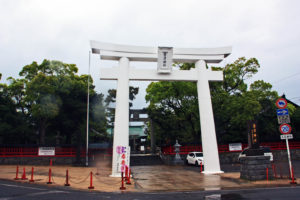
Karatsu Shrine
2026/04/07
Karatsu & Yobuko travel guideThe Shrine of Karatsu Kunchi. It is a Shinto shrine located about 1 km west of Karatsu Castle and the original shrine was founded in 755. In 1819, a man dedicated a beautiful and large papier-mache red lion statue to this shrine. He travelled Ise Shrine, visit Kyoto on the way home, and saw Gion Festival. And he impressed by the sight of beautiful floats, so he and his friends created such statue. The statue was paraded at the annual festival of this shrine, and it has developed into the festival “Karatsu Kunchi”. From November 2nd to 4th, Karatsu Kunchi is held every year.
-
-
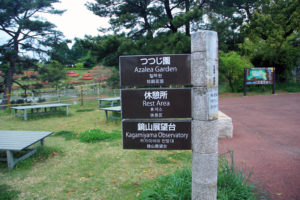
Kagamiyama Mountain
2026/04/07
Karatsu & Yobuko travel guidePanoramic view of Karatsu Castle, Karatsu bay and Nijino-matsubara. The height is 284 metre from sea level and top of the mountain is flat and wide geographical feature. The area is famous for cherry blossom and azalea flower in spring season. Magnificent and panoramic view of the Karatsu Castle, Karatsu bay and Nijino-matsubara (Rainbow pine forest) from the observatory on the summit can be enjoyed.
-
-
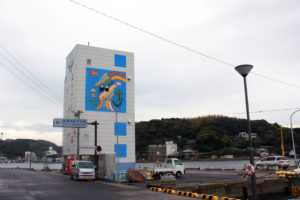
Yobuko
2026/04/07
Karatsu & Yobuko travel guideFishing industry town famous for Squid and Morning Market called Asaichi. Yobuko is located northern tip of Saga-prefecture and is facing to Genkai-nada Sea. Famous for fresh Squid, transparent in body and firm in texture. The squid has a sweetness that melt upon the tongue. In the finely crafted style of sashimi known as Ikezukuri, the flesh of still-living seafood is served. Fishery Morning Market called Asaichi Asaichi opens from 7:30 to 12:00, every day at just next to Yobuko Port. The street of 200 m borrowed from the eaves of the shopping street is named “Asaichi Street”. A lot of places were as a Shooting location of Thailand drama.
-
-
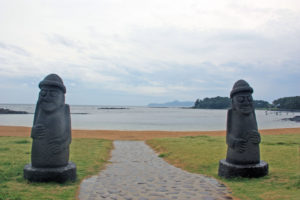
Hado-misaki Cape
2026/04/07
Karatsu & Yobuko travel guideLovers’ sanctuary Cape. The main attractions of Cape Hado are the heart-shaped monument, underwater observation tower, and the sunset. It is frequented by young couples who take photos in front of the heart monument, and also by families who hang out at the wide, beautiful grasslands by the sea.
-

-
Yobuko Asaichi
2026/04/07
Karatsu & Yobuko travel guideFishery morning market called Asaichi. Asaichi opens from 7:30 to 12:00, every day at just next to Yobuko Port. The street of 200 m borrowed from the eaves of the shopping street is named “Asaichi Street”. 50 to 70 stalls selling fresh vegetables, fish and shellfishes, and fruits line up. Morning market BBQ is also going on Saturday, Sunday and public holidays.
-
-
Kokonoe Yume Otsurihashi
2026/04/08
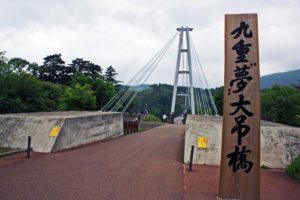
Okubungo travel guideThe longest pedestrian suspension bridge in Japan the 2nd longest in the World. Splendid and beautiful view from the thrilling suspension bridge over the Naruko river valley. The bridge is located in Kokonoe near Yufuin. You can enjoy the lush greenery in spring and the vibrant autumn leaves in the fall. 390 metre long, 173 metre height from the Naruko River valley. Naruko River Valley south Naruko River Valley north Shindo Watefall Kuju mountain range Seasonal wild flowers Seasonal wild flower
-
-
Yamada Weir
2026/04/05
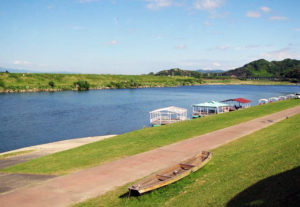
Asakura Travel GuideOnly here in Japan, the stone-covered Weir constructed. Yamada weir is a construction for the irrigation system that water is supplied from Yamada weir in Chikugo through the canal to the Triple Water Wheel to rice field. Chikugo River Triple Water Wheel Rice field The large and small stones are stacked against water flow, and leads water to the irrigation canal while suppressing the momentum of the Chikugo River. The Yamada Weir was completed in 1790 and it is the now only structure in Japan. Stone-overed construction Yamada Weir Water supply area Eso Hachiman Shrine. The Shrine was established in 673 next to Yamada Weir. Shrine gate, Torii Main Shrine building Deity of the Shrine
-
-
Yame Central Tea Plantation
2026/04/02
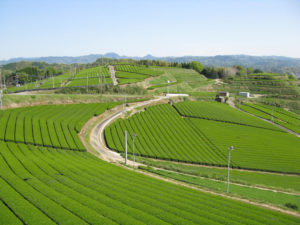
Yame Travel GuideThe country of Green Tea, Yame. The Green Tea grown in Yame is one of the highest grade of tea throughout Japan. This is the large Tea plantation spreading on a gently sloping hilly area, about 70 ha. There is an observatory at the top of hill, Ariake bay as well as Shimabara Peninsula in Nagasaki-prefecture can be seen on sunny days.
-
-
Toho Village
2026/04/02
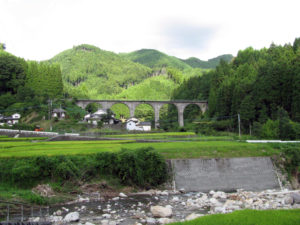
Asakura Travel GuideHoshuyama district, a mountain area blessed with nature, Koisiwara district, pottery industry representative of Kyushu. Toho is a small village with a population of about 2,000 people in Fukuoka-prefecture, and is located north side of Asakura-city. The Village consist of Hoshuyama district and Koishiwara district. On July 5, 2017, the heavy rain disaster occurred in the northern part of Kyushu, and Toho Village, both Hoshuyama and Koishiwara districts also suffered great damages. Even, it takes a little time to return to previous conditions, you can enjoy your journey here. Hoshuyama district Koishiwara district Koishiwara-yaki pittery A type of Japanese traditional pottery in Koishiwara. The history dates back to the 17th century, when the third Lord Kuroda Mitsuyuki (1628–1707) invited potters from Imari, Saga-prefecture to Fukuoka. Furnace for pottery Featured Pottery, Takatori-yaki Hachizan Featured Pottery, Koisiwara-yaki Tsurumi Pottery Lodge in the Ponta no mori (Ponta forest) Gyoja sugi The big Cedar, called Gyoja sugi, literary meaning is Religious Trainee Cedar planted more than 600 years ago. Circumference length : 8.3 metre, height : 52 metre. Pottery experience at Koishiwara Make your own original Koishiwara-yaki pottery. Try your hand at making the famous local Koishiwara-yaki pottery at Ota-gama pottery, by learning …
-
-
Shirakabe-dori Avenue
2026/04/02
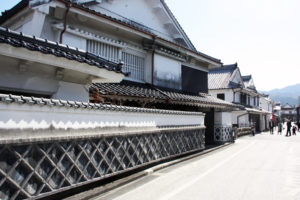
Ukiha Travel GuideTime-honored scenery, back to 100 years ago. The Avenue is located in Yoshii-machi, Ukiha-city. Shirakabe, literary meaning is white wall. The avenue of houses with white wall were constructed about 100 years ago. About 250 houses in the area has been designated as National important traditional buildings preservation district. In the Edo era (1603-1868), Yoshii flourished as a post town between Kurume and Hita. In the Meiji era ( from 1868), this area experienced a big fire three times. In order to protect from the fire, people have rebuilt the houses with the fire resistance design using clay wall painted by white. Hina Doll Festival Featured Restaurant, Shirakabe The restaurant Shirakabe is in the former merchant’s building constructed in 1928. Japanese cuisines using best local ingredients that vary by season can be enjoyed. The chef who makes that cuisines also experienced the imperial family’s cook.
 WhatsApp: Chat with us