
-
-
Site of Dazaifu Government Office
2026/04/05
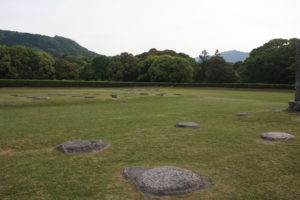
Dazaifu travel guideGovernment site of Ancient Kyushu. Known as TOFURO, the site was used during the Nara (710 to 794 AD) and Heian (794 to 1185 AD) period. The Dazaifu was responsible for supervising Japan’s maritime frontier, as well as for administering the nine provinces and two island of the Saikaido (modern Kyushu). In those days, a great edifice with vermillion columns and tiled roof stood at the foot of Mt. Ono, but today all that remains is a park containing the huge foundation stones of the original building.
-
-
Ruins of Urakami Cathedral
2026/04/01
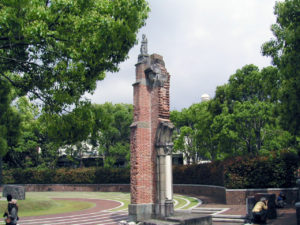
Nagasaki travel guideWe are a travel agency in Fukuoka specializing in Kyushu, Japan. This information is provided by Japan KYUSHU Tourist to support your journey. When you look to the right facing the Ground zero Monument see a sectionof damaged brick wall from the former Urakami Cathedral. The church was located about 500 m northeast of theGround zero, on the same site as the modern refurbished Urakami Cathedral. The construction of former building began in 1895 and continued until 1925, when the twin steeples reached completion. Ruin of destroyed Urakami Cathedral Ruin of destroyed Urakami Cathedral Present Urakami Cathedral Known at that time as the largest church in Orient, the imposing red-brick structure was devastated by the atomic bomb explosion, and a large number of parishioners were killed. In 1958, part of the damaged eleven-meter-tall southern wall was moved to Nagasaki Peace Park. The new cathedral was rebuilt in hornor of those lost. It was reconstructed to its present shape in 1959 and the brick construction was renovated in 1980, a year before the Pope’s visit.
-

-
Monument of the Child Praying for Peace
2026/04/01
Nagasaki travel guideWe are a travel agency in Fukuoka specializing in Kyushu, Japan. This information is provided by Japan KYUSHU Tourist to support your journey. At the bottom of the steps leading down from the front of the Nagasaki Atomic Bomb Museum The Monument of a Child Praying for Peace depicting a girl wearing a kimono and holding a folded paper crane. At that time of the atomic bombing there were several schools in the Ground Zero area and some 10,000 school children are through to have perished in the bombing. On the 20th anniversary of the atomic bombing, donations were collected widely from children who express their wish for peace, and this statue was unveiled on August 9, 1967 and remains to this day as a symbol the aspiration for eternal peace.
-
-
Urakami Cathedral
2026/04/05
Nagasaki travel guideConstruction of the original Urakami Cathedral, a brick Romanesque building, began in 1895, after a long-standing ban on Christianity was lifted. When completed in 1914, it was the largest Catholic church in East Asia. The Atomic bomb dropped on August 9, 1945 explored in Urakami, only 500m from the cathedral, which was completely destroyed. What remained of the cathedral is now on display in the Atomic Bomb Museum. A replacement was built in 1959, and remodeled to more closely resemble the original in 1980. The nearby the Ground Zero in Peace Park contains remnants of the Ruins of Urakami Cathedral
-
-
Takasaki mountain animal park
2026/04/02
Beppu travel guideAn altitude of 625m located in the boundary line of Oita-city and Beppu-city is known as a habitat of the wild Japanese monkey. The park was opened in 1953, in which about 1700 wild Japanese monkey are living. The monkeys are fed regularly by park wardens in order to keep them on the mountain and prevent conflicts with farmers and residents in the neighborhood.
-
-
Kushida Shrine
2026/04/10
Fukuoka travel guideThe Shrine of Hakata Gion Yamagasa Festival. Located in Hakata nearby Canal City Hakata and was built in 757 as a guardian deity of Hakata. The most exciting summer festival in Kyushu, Hakata Gion Yamakasa is held in the shrine in July. The tall Kazari Yamakasa, a luxuriously decorated float, is always displayed. The float was constructed without using even a single nail. The Oi Yamakasa, in which floats weighing over a ton race through the streets of Hakata carried on the shoulders of 26 people, presents a dynamic spectacle of bravery and strength that attracts many spectators. The shrine is also famous as place of Setsubun ceremony ( Bean throwing ceremony) which is held on February 3rd every year.
-
-
Raizan Sennyo-ji temple
2026/04/12
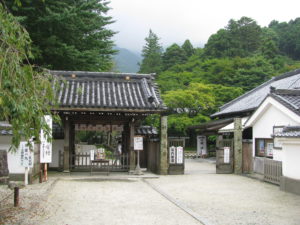
Itoshima travel guideOne of the most famous temple in Fukuoka prefecture known for being a great place for cherry blossom viewing in the spring, and many people visit in the autumn to see the fall foliage. The temple was founded in 725, Nara period by Seiga, who come from India as a priest during the period. There is an Important Cultural Property which is the 4.8 meter wooden Avalokitesvara statue in the main hall. The main hall was founded by Kuroda Tsugutaka who was the 6th feudal lord of Kuroda clan in Fukuoka. 400 years of age big maple tree, which has been designated as natural monument of Fukuoka prefecture, has been said to be planted by him.
-
-
Samurai Street
2026/04/02
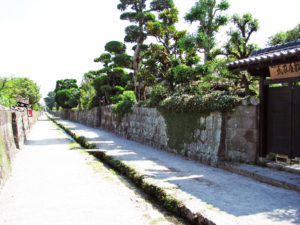
Shimabara travel guideSamurai street lined with stone walls and a spring water canal running down the center commemorates the old samurai section of Shimabara. Three Samurai houses have been restored and opened as exhibits.
-
-
Nokonoshima Island
2026/04/02
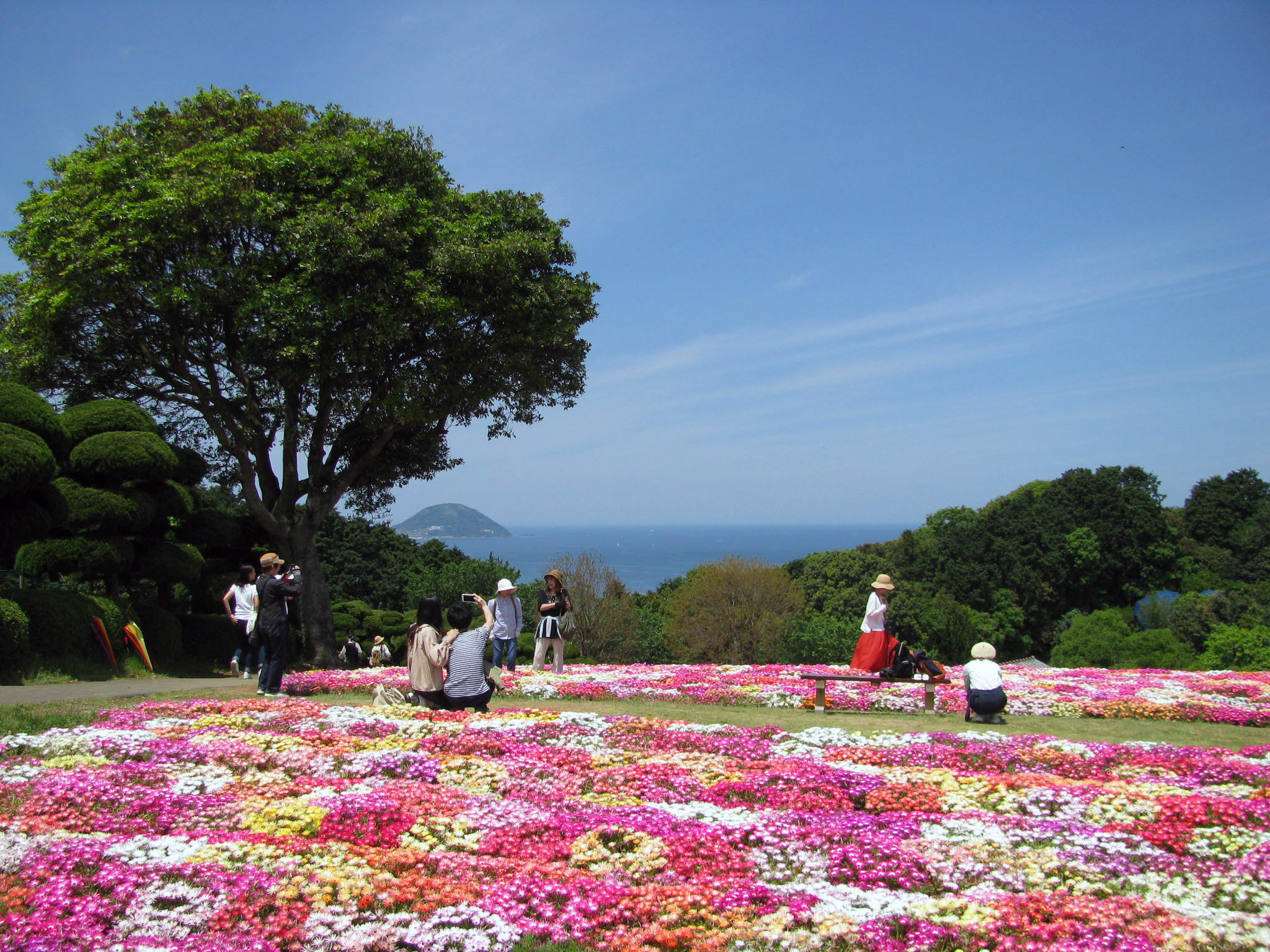
Fukuoka travel guideNokonoshima, in the middle of Hakata Bay Beautiful flowers can be enjoyable throughout the year. Rapeseed blossom, Cherry blossom, Livingstone daisy Poppy, Rhododendro, Marigold, Hydrengea, Plumed cockscomb, Dahlia, Sunflower, Cockspur coral tree Bougainvillea, Scarlet sage, Cosmos, Dahlia, Autumn leaves, Scarlet sage, Japanese narcissus, Japanese camellia, Plum. Restaurant Sakimon, Barbecue house, Retro Shop Omoideya Shop Shimaya, Art Gallery Warabekan, Gift Shop. The breath taking panoramic view of the Hakata Bay can also be enjoyed. A 10 minutes ride the ferry from Meinohama part to Nokonoshima island port, and then a 13 minute ride the Nishitetsu bus from Nokonoshima island port to Island Park.
-
-
Higashida No.1 Blast Furnace
2026/04/10
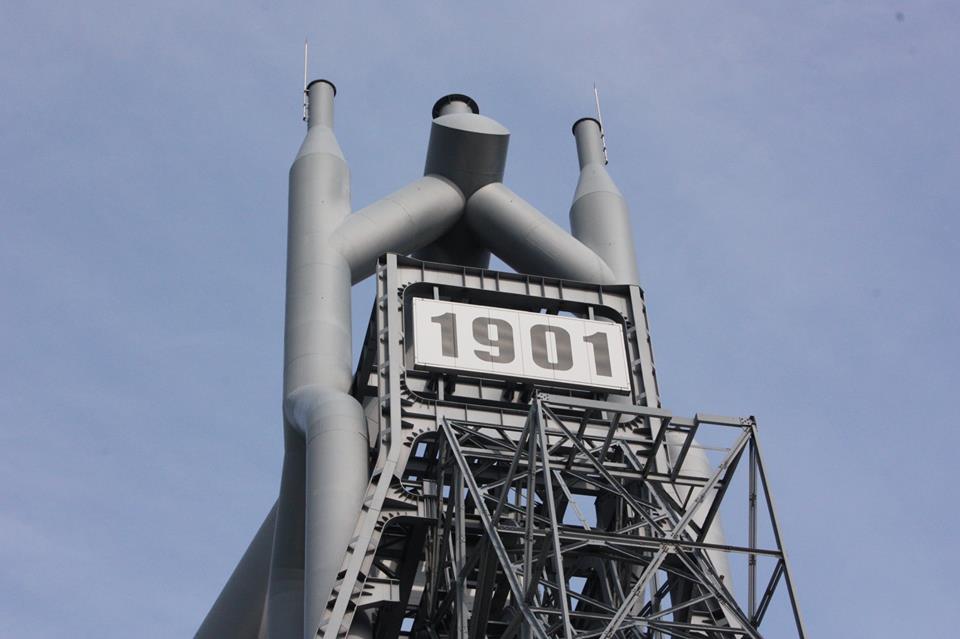
Kitakyushu travel guideBlast Furnace is a Steel plant for making the pig iron from iron ore and coke. Higashida No.1 Blast Furnace is only the Blast Furnace in the world which preserved as it was. The birth place where Japan’s steel industry began in 1901. It contributed greatly to the development of the Japanese steel industry and was used until 1972, and has been preserved just as it was. The big signboard at the top of the Blast Furnace displaying “1901” indicates the year in which the Blast Furnace commenced operation. Equipment and tools which were actually used are exhibited in the square, and you can see the iron-making process from the raw material (ore and coke)to production of pig iron. Name Plate indicated blow-in year Blast Furnace proper Hot Stove and Stack Dust Catcher & Cast house Torpedo Car Converter Cast house floor Tap hole Tapping activity Bustle main & Goose neck Tuyere Shaft shell Inside of Furnace Valves of Hot Stove Bustle main brick work
 WhatsApp: Chat with us