Shimabara travel guide
 Shimabara Castle
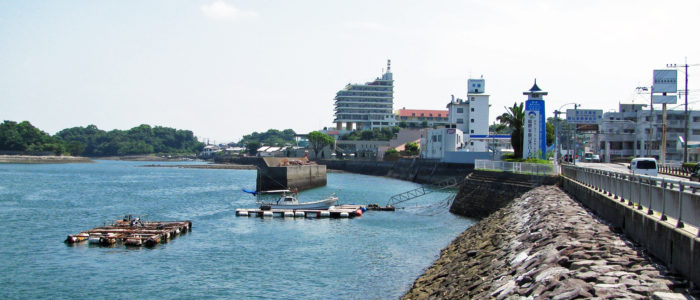
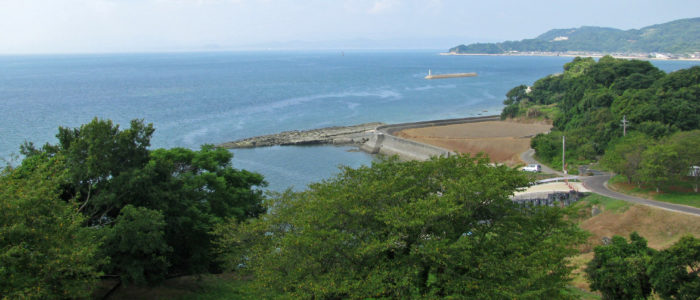
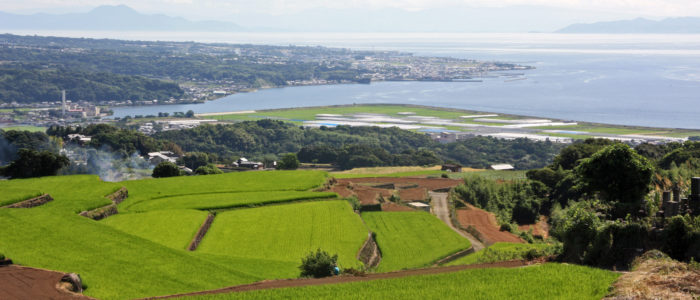
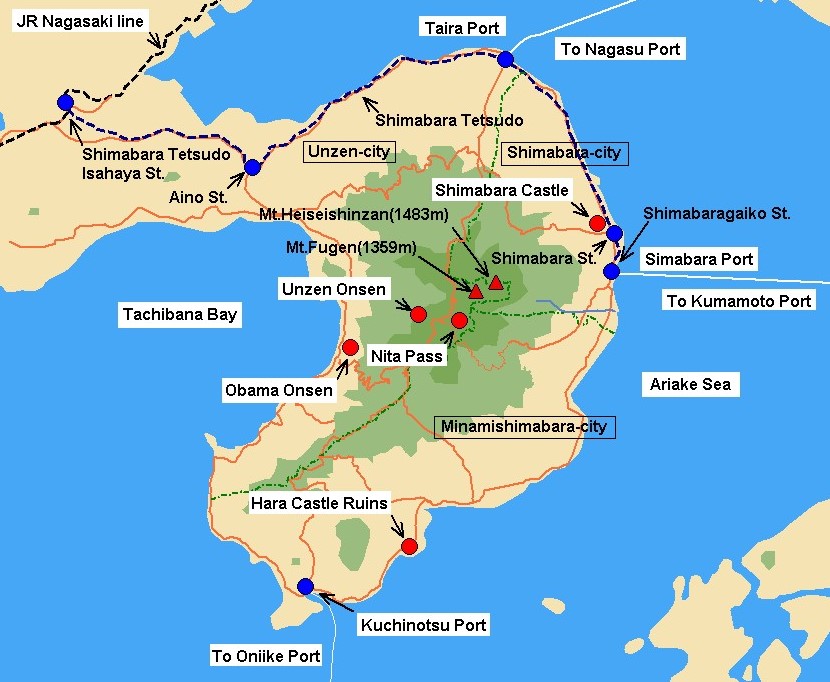
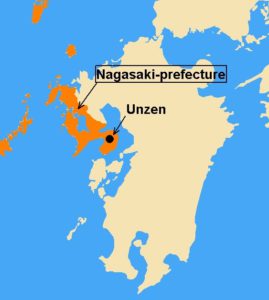
Nestled at the foot of Mount Unzen and facing the Ariake Sea, the Shimabara region
consists of two cities: Shimabara City on the eastern side and Minami-Shimabara
City on the southern part of the peninsula. The region offers a wealth of experiences,
including stunning nature, relaxing onsen, the historic castle town of Shimabara,
and significant Christian pilgrimage sites.
Exploring Shimabara
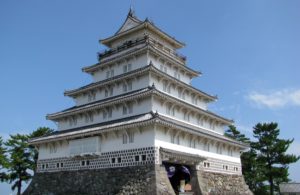 |
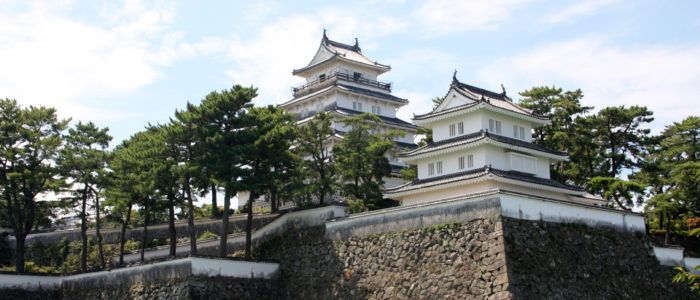
Located in Shimabara City, this castle was built in 1625 by the feudal lord Matsukura Shigemasa, who was renowned as a master of castle architecture. The castle, which took seven years to complete, is also affectionately known as “Moritake Castle. |
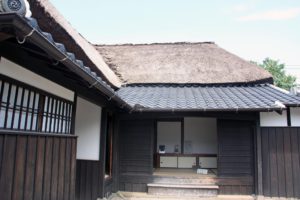 |
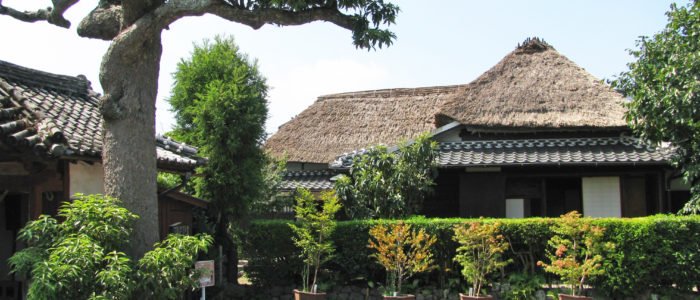
Samurai were the military nobility of pre-industrial Japan. Located near Shimabara Castle, the preserved samurai houses along this historic street were built in the 18th century. |
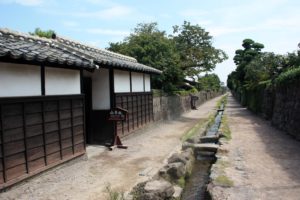 |
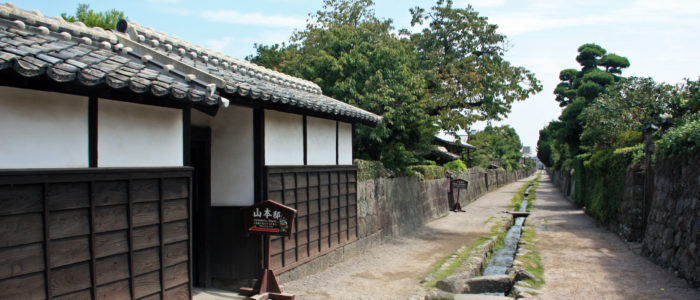
This historic street, lined with traditional stone walls and a spring water canal running down its center, preserves the atmosphere of Shimabara’s old samurai district. Three samurai residences have been carefully restored and are open to the public as museums. |
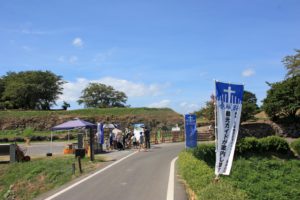 |
This Christian pilgrimage site is part of the “Hidden Christian Sites in the Nagasaki Region,” registered as a UNESCO World Heritage Site. It was the battlefield of the Shimabara Rebellion in 1637, a massive peasant uprising led by Amakusa Shiro against the Shogunate’s persecution of Christians. |
Holy Mary-Kannon of Harajo Castle
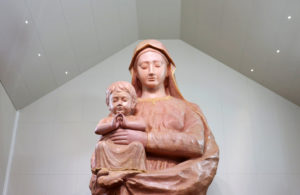 |
The world’s tallest wooden Holy Mary statue stands at 10 meters in height. It was meticulously carved by sculptor Eiji Oyamatsu over a period of 40 years and was completed when he was 90 years old. The statue is located in Minami-Shimabara City, just a 10-minute drive from the Hara Castle Ruins. |
Local cuisine in Shimabara, Guzoni
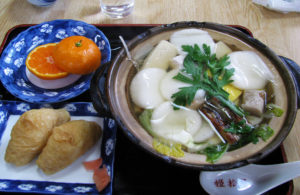 |
Guzoni is said to have originated during the Shimabara Rebellion of 1637. When the Christians fought under the leadership of Amakusa Shiro, they gathered various ingredients such as rice cakes, fish, and vegetables to make a nutritious stew. This hearty dish is the origin of the Guzoni we enjoy today.
|
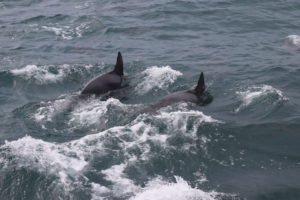 |
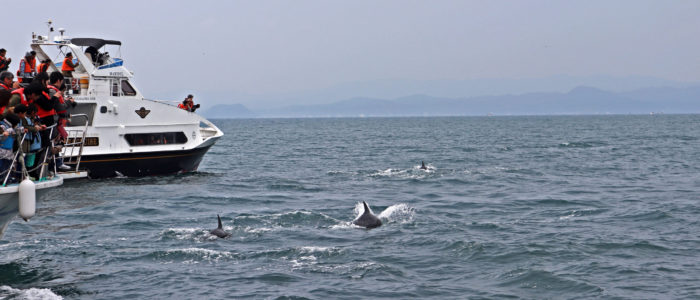
Approximately 300 wild dolphins live in the waters between the Shimabara Peninsula and Amakusa. Dolphin watching cruises have become increasingly popular for all ages, offering the incredible chance to see these dolphins so close you feel as though you could almost touch them. |
Ferry to Kumamoto, from Shimabara
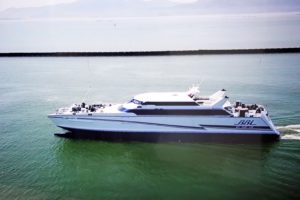 |
Two ferry services operate between the Shimabara Peninsula
and Kumamoto:
Kyusho Ferry: A 60-minute ride operated by Kyusho Ferry. Ocean Arrow: A 30-minute high-speed ride operated by Kumamoto Ferry. |
Ferry to Amakusa (Oniike) , from Kuchinotsu (Minami-Shimabara-city)
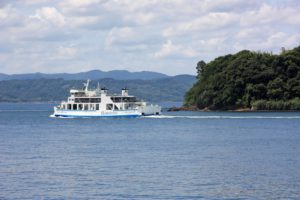 |
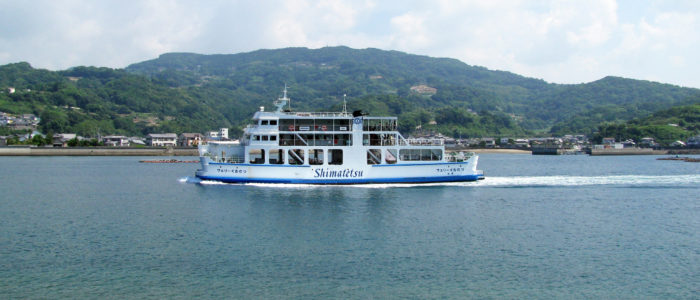
Shimatetsu Ferry: A 30-minute ride operated by Shimabara Railway |
Shimabara
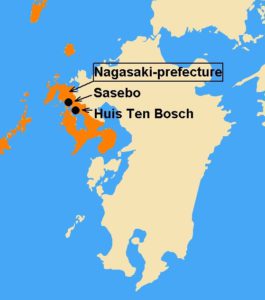
Sasebo & Huis Ten Bosch
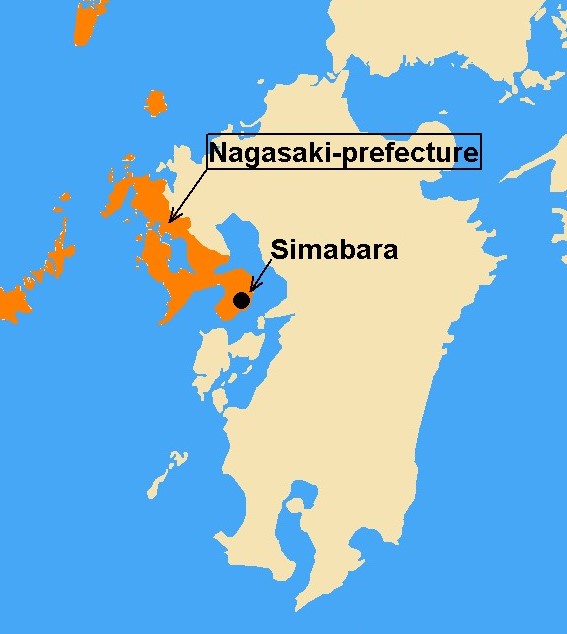
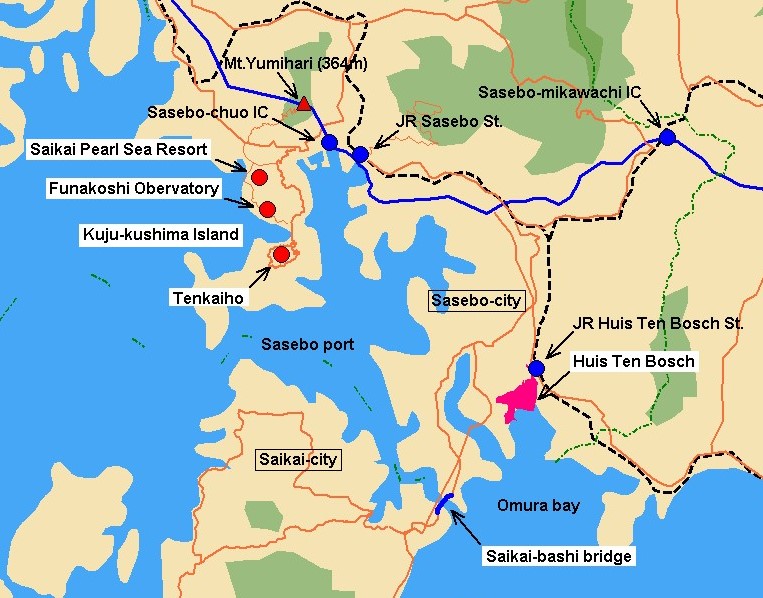
Sasebo is the 2nd largest city in Nagasaki-prefecture, and has a beautiful harbor which is
used as a navel port.
Sasebo is located in the Kitamatsuura Peninsula and facing to Genkai Sea with numerous
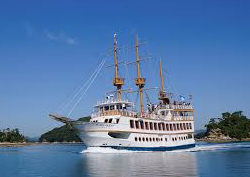
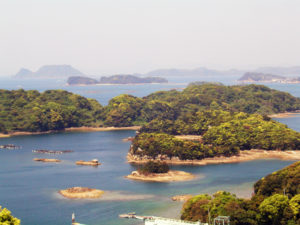
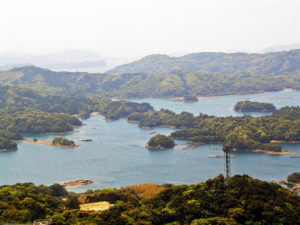
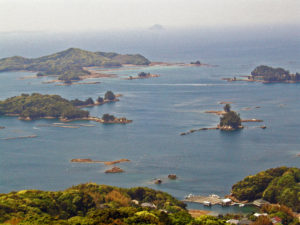
small Island called “ 99 Island”. The 99 Islands cruise is the exciting experience.
Huis Ten Bosch is must visit attraction which is a theme park reproducing the rows of houses
and streets including Huis Ten Bosch Palace of the Netherlands.
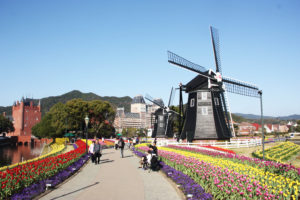 |
Huis Ten Bosch is a theme park in Sasebo, which recreates the Netherlands by displaying life-sized copies of old Dutch buildings. The name Huis Ten Bosch translates into English as “House in the Woods/bush”. It is named after Huis ten Bosch in The Hague. |
Saikai Pearl Sea Resort
Located in the Kuju-kushima National Park. The beautiful sea here contains treasures
including pearls and oysters. As the focal point of the Kuju-kushima islands adventure,
you can take an excursion boat, rent a kayak, or visit the aquarium Umikirara to get
a closer look at amazing sea creatures populating the sea around the island.
|
|
|
 |
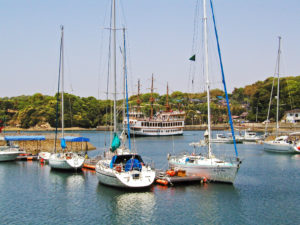
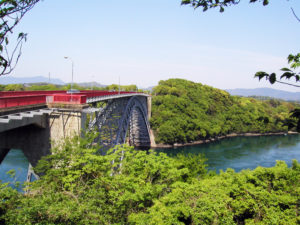
Saikai-bashi Bridge Park
|
|
|
|
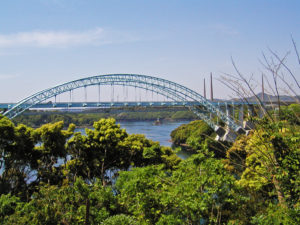
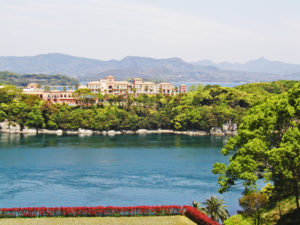
Kuju-kushima, 99 (ninety nine) Islands
|
|
|
|
Sasebo & Huis Ten Bosch
Hirado travel guide
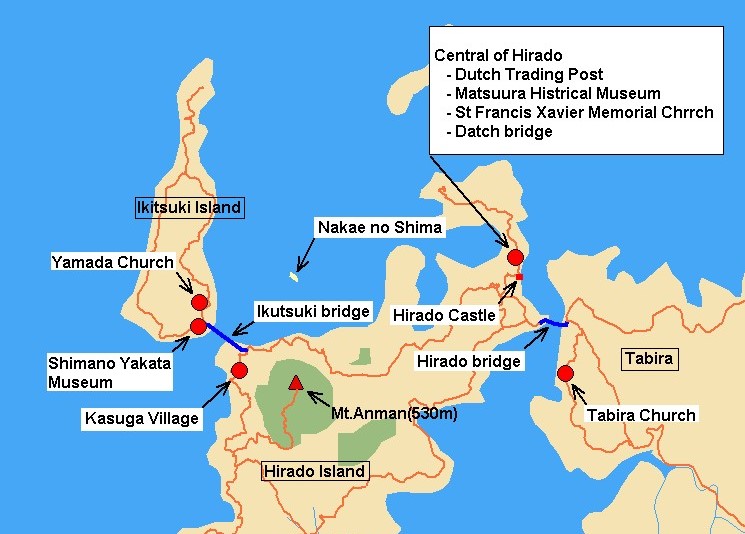
Hirado is the first place where Portuguese ships landed in Japan in 1549, and after that
St. Francis Xavier visited in 1550, and Japanese Christianity started here in Hirado.
In the 1580s, the Portuguese established a trading station, followed soon by the Dutch
and the British.
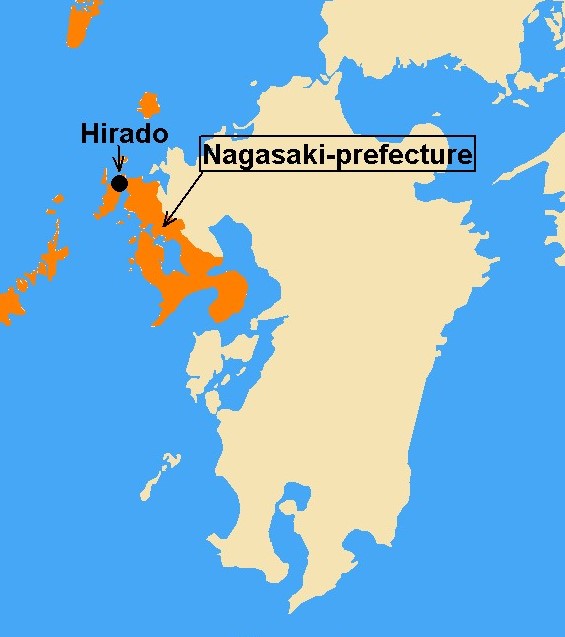
Hirado is located north-west side of Nagasaki and facing to Genkai Sea, and is mainly
composed of Kitamatsuura Peninsula, Hirado Island and Ikitsuki Island, which are
connected by Hirado bridge and Ikitsuki bridge.
 |
 |
 |
Where to explore
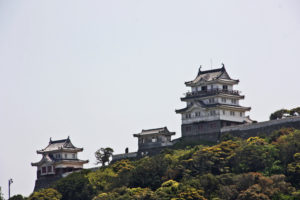 |
Stands on a hill guarding Hirado Port and the Hirado Strait, which used to be part of an important trade route between Japan and the Asian mainland. The original fortress was built in 1599 by the local Matsura Lord. |
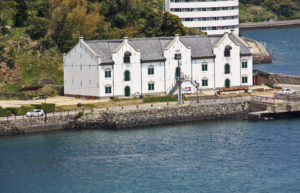 |
Set up in Hirado in 1609 as the base of operations of the Dutch East India Company in Japan. The building seen today is a warehouse which was originally constructed here in 1639 as part of the trading post, but torn down just three years later after the Dutch had been relocated to Dejima Island in the port of Nagasaki. |
Nakae no Shima / UNESCO World Heritage
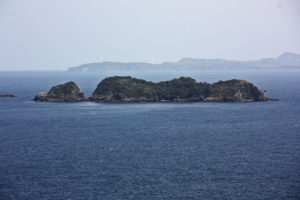 |
Located two kilometers off the coast of Hirado Island, Nakae no Shima is a small, uninhabited island where religious leaders were executed during the persecution of Christians. The island is considered sacred, and water collected there is used for baptism. |
Kasuga Village / UNESCO World Heritage
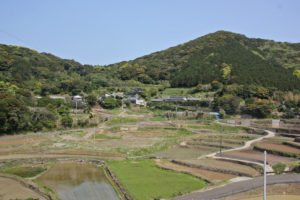 |
This idyllic, remote village was refuge to a small community of Hidden Christians who practiced here for centuries, far from the prying eyes of the government. After the ban on Christianity was lifted, the local villagers decided to continue practicing their own unique brand of the religion rather than region the Catholic Church. |
St Francis Xavier Memorial Church
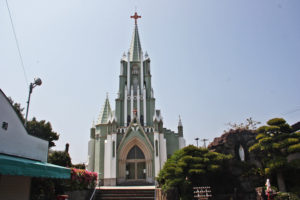 |
This church is a catholic church in Hirado, Nagasaki. Hirado is a place where Francis Xavier visited 3 times in Japan to spread Christianity, and even during the Kinkyo Ordinance of the Edo Period that prohibited religions, Christianity was very widespread. |
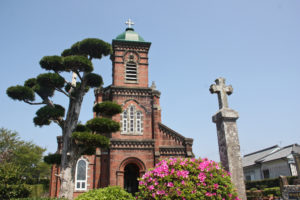 |
The church was designed by Tetsukawa Yosuke, a famous architect of various churches in Nagasaki-prefecture, and built between December 1915 and October 1917. It is one of the latest brick churches in the prefecture of Nagasaki. Tetsukawa Yosuke has called this one of his best works. |
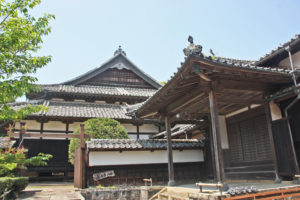 |
The museum stores and displays the historical collection of the Matsura family who ruled over the northern area of Nagasaki prefecture since the 13th century. The museum is housed in the former private residence of the Matsura family, the grand Tsurugamine Mansion, built in 1893. Hirado has a long history of overseas exchange due to its geographical location. |
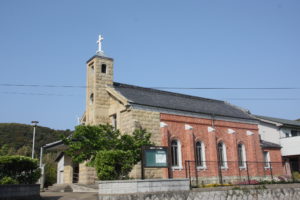 |
After the discovery of the numerous hidden Christians in Ikitsuki Island in 1865, they began to work on recovering their Catholic faith although they were not too successful at first. Then in 1878, a priest named Fr. Pelu came to Hirado and baptized many people who are said to be the ancestors of the churchgoers of Yamada Church today. |
Kurose no Tsuji, martyrdom site of Gaspar Nishi Genka
 |
The site where Christian Gaspar Nishi Genka was martyred in 1609, located on Kurose Hill overlooking Nakae no shima between Hirado and Ikitsuki. The tomb facing the sea is called Gaspar-sama and is a revered place for Ikitsuki’s Hidden Christians. |
Hirado
Unzen travel guide
 Unzen Onsen Resort
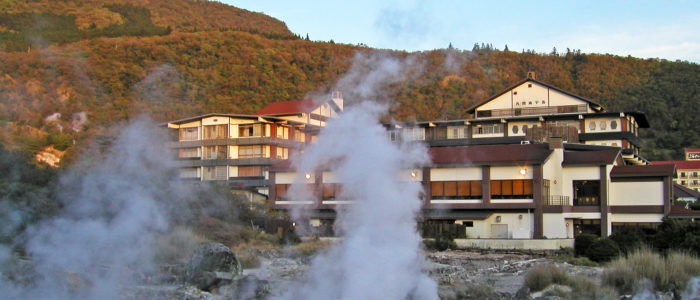
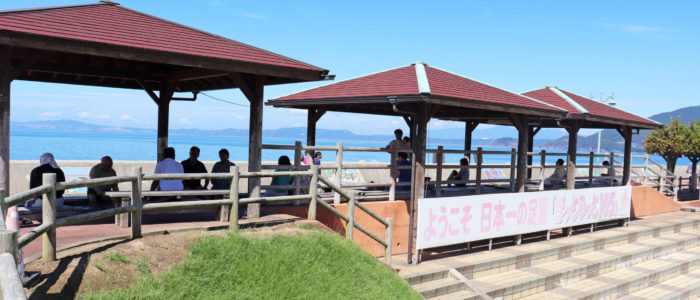
Unzen is a pleasant Onsen resort town located within Unzen National Park.
The area was originally developed near Nagasaki as a resort destination primarily
for foreign visitors.
 |
Located in the center of the Shimabara Peninsula, this area sits on the southwestern slope of Mount Unzen at an altitude of 700 meters. It began welcoming foreign tourists around 1900, after figures such as Kaempfer and Siebold introduced the region to the West. In 1934, it became part of the first area to be designated as a National Park in Japan. |
Where to explore
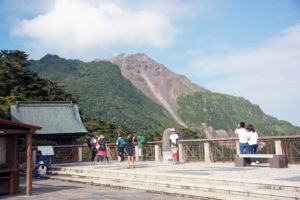 |
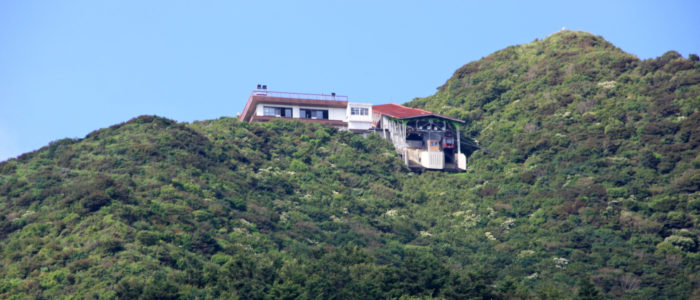
Nita Pass is one of the best scenic spots in Unzen. The natural scenery here is magnificent throughout the year. Each season offers a spectacular display: the vibrant azaleas of spring, the lush greenery of summer, the brilliant red maples of autumn, and the fantastic silver frost (hoarfrost) of winter. |
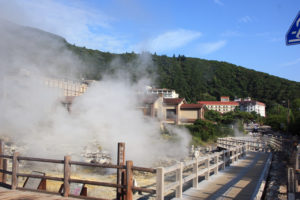 |
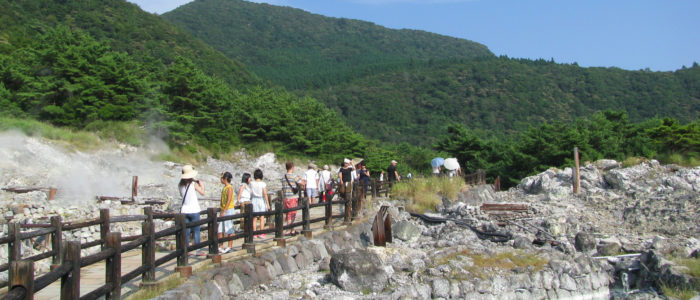
Unzen Jigoku, which literally means “Hell,” is the number one attraction of Unzen. The area is filled with the distinct scent of sulfur and thick white steam rising from the ground across a wide area—a striking reminder that the Unzen volcano remains very much active. |
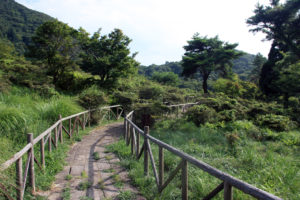 |
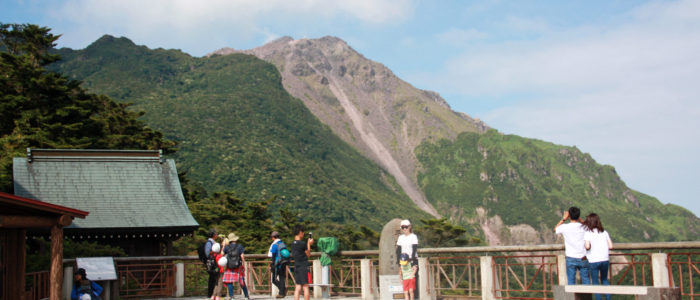
Various trekking routes are prepared with the Onsen Onsen Resort town mountain climber can enjoy by choosing preference route, Nita pass and summit of mount Myuken and Fugen can be reached. |
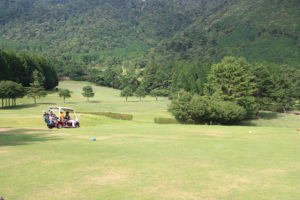 |
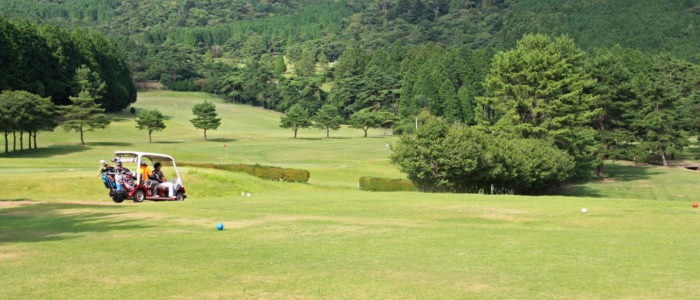
Opened in 1913, the Unzen Golf Course is Japan’s oldest public course, and the second oldest overall after the Kobe Golf Club (opened in 1903). The area was designated as one of Japan’s first national parks in 1934, and the golf course has since been popular as a main attraction for both Japanese and international visitors. |
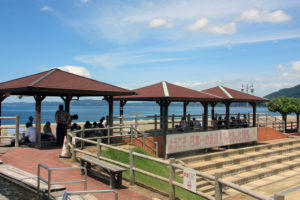 |
This area is also part of Unzen, located at the western foot of Mount Unzen.
About 30 hotels and traditional Japanese-style inns (ryokan) line the shores
of Tachibana Bay, and there are three public baths available for visitors to
enjoy.
|
Unzen
Nagasaki travel guide
 Nagasaki travel guide
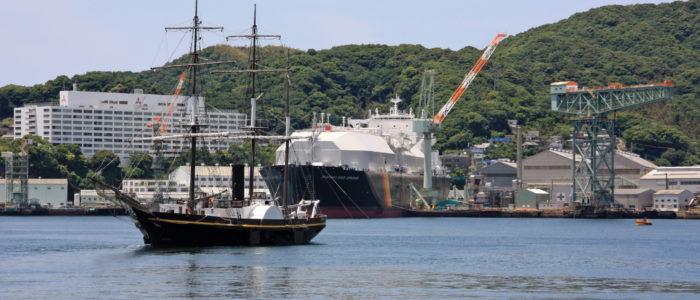
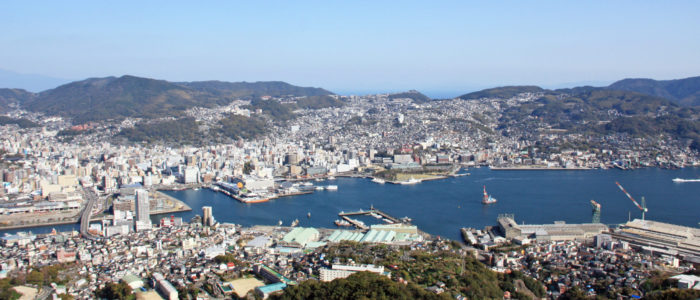
Since the opening of its port in 1571, Nagasaki has flourished as Japan’s premier
international gateway. The city offers a unique blend of history, from the early
spread of Christianity to its pivotal role in Japan’s industrial revolution.
While it is a place of profound historical significance—including its tragic experience
as the site of an atomic bombing—Nagasaki today stands as a beautiful city of
peace and culture.
Exploring Nagasaki
Glover Garden / UNESCO World Heritage
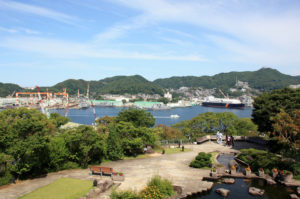 |
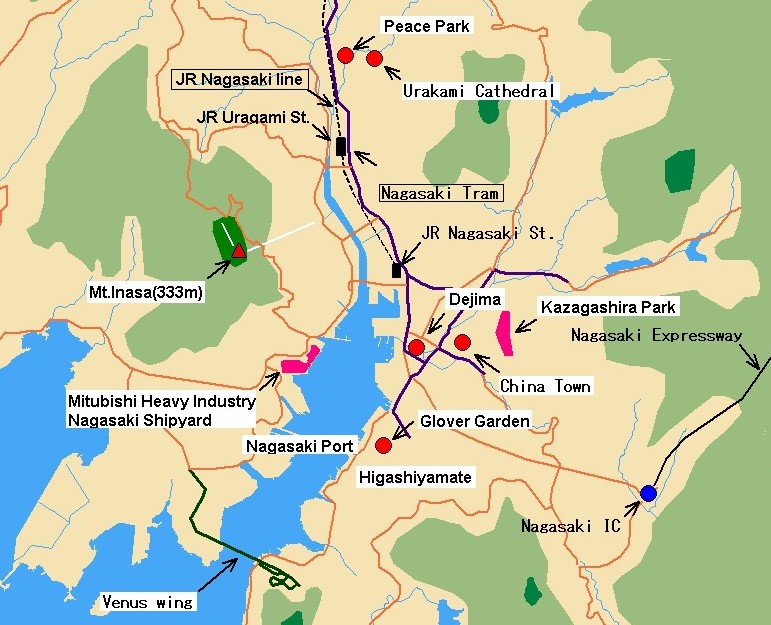
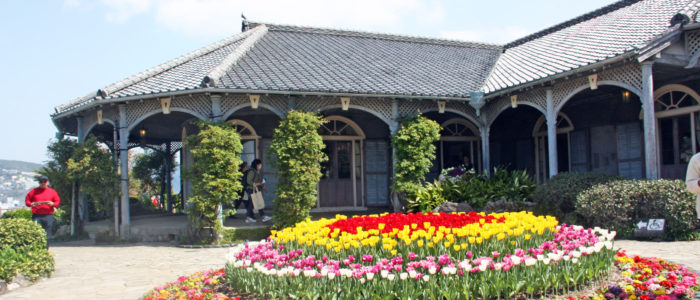
Glover Garden is located on Minami-Yamate Hill in Nagasaki City and features nine traditional Western-style buildings. Among these, the Glover, Alt, and Ringer Residences date back to the settlement era and are invaluable structures that have stood on this site for over 150 years. The garden boasts a stunning location overlooking Nagasaki Port, with the iconic Mt. Inasa visible in the background. |
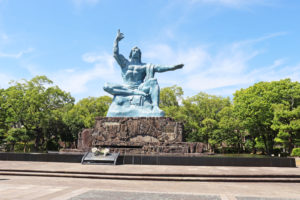 |
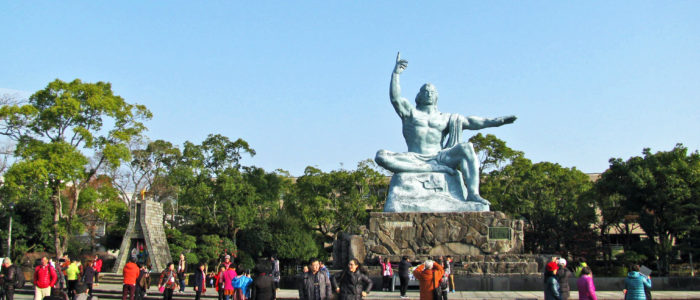
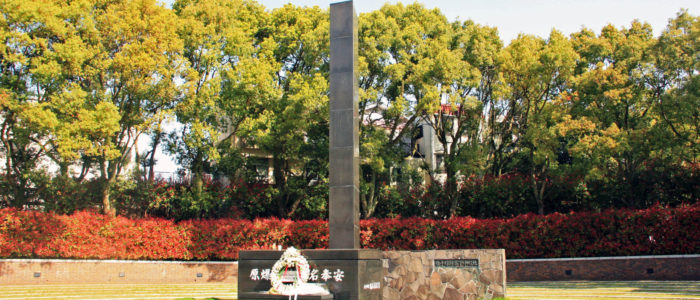
The Peace Statue was erected in 1955 near Ground Zero, where the atomic bomb was dropped at 11:02 a.m. on August 9, 1945. Every year on August 9, the Peace Memorial Ceremony is held in front of the statue, where the Mayor of Nagasaki delivers the Nagasaki Peace Declaration to the world. |
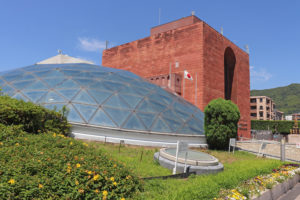 |
The museum displays a collection of photographs that depict the devastation of the atomic bombing, the lead-up to the tragedy, the history of nuclear arms, and a collective hope for a peaceful world |
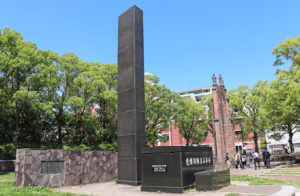 |
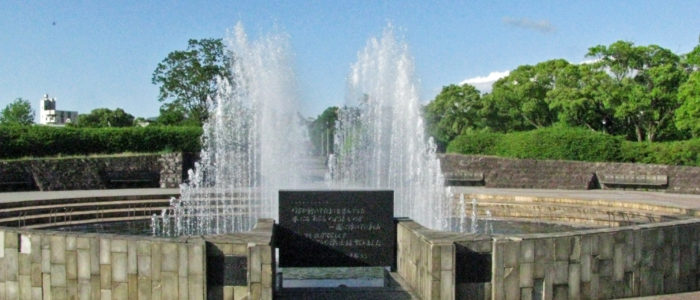
The plutonium atomic bomb detonated approximately 500 meters above the hypocenter at 11:02 a.m. on August 9, 1945. Most of Nagasaki was destroyed, and a staggering number of lives were lost. Among the city’s 240,000 residents, approximately 70,000 died instantly, and up to 60,000 others were injured. |
Christian Pilgrimage sites in Nagasaki
Oura Cathedral / UNESCO World Heritage
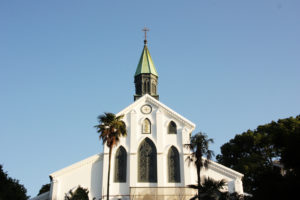 |
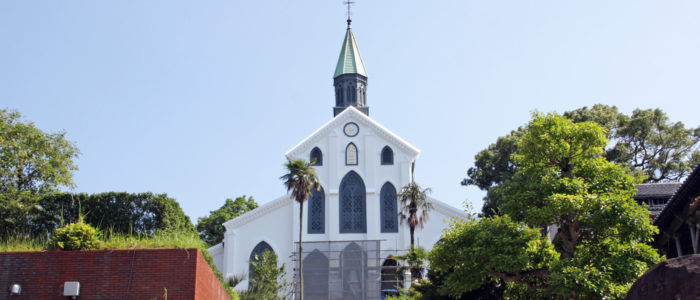
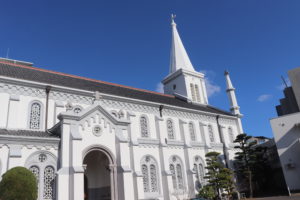
The Cathedral is one of the significant Christian pilgrimage sites in Japan. Established in 1865, this church is officially known as “Oura Cathedral, the Church of 26 Martyrs.” It was built by the French priest Bernard Petitjean of Fier, who was dispatched by the Paris Foreign Missions Society to dedicate prayers to the 26 saints martyred on Nishizaka Hill. |
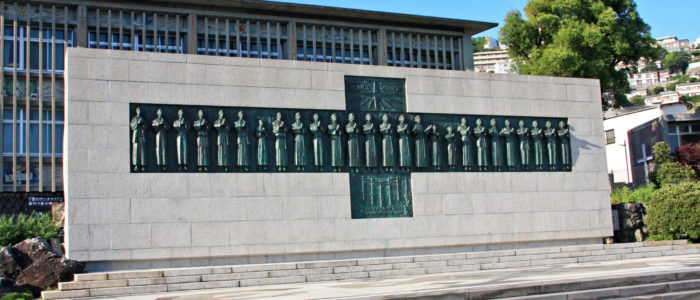
Martyrdom of the 26 Saints of Japan
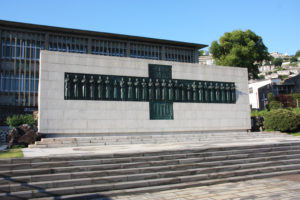 |
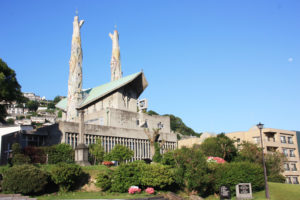
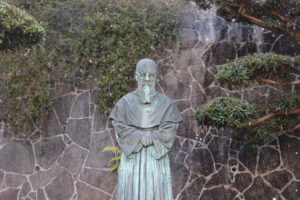
Nishizaka Hill is the most significant Christian pilgrimage site in Japan. The 26 Martyrs of Japan were a group of Catholics who were executed by crucifixion on February 5, 1597. Their martyrdom is especially significant to the history of the Catholic Church in Japan. In 1637, St. Lorenzo Ruiz from the Philippines was also martyred here at Nishizaka Hill. |
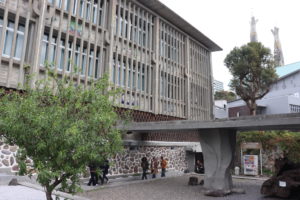 |
The museum behind the monument is devoted to the memory of the martyrs and to Japanese Christianity in general. Its interior is reminiscent of a church, with stained-glass windows creating an atmospheric setting for the exhibits. On display are various artifacts related to Christianity in Japan, including historical documents, statues, and jewelry. |
| Nakamachi Church | ||
 |
 |
 |
|
|
|
|
Featured destinations
|
|
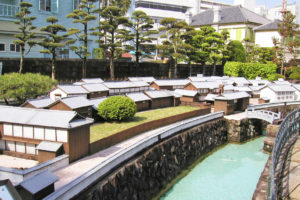
Dejima, a fan-shaped artificial island in Nagasaki, was the sole gateway for trade and cultural exchange with Europe during Japan’s era of isolation (1641–1853). As the only site where Dutch merchants were permitted, it played a vital role in introducing Western science, medicine, and culture to Japan. |
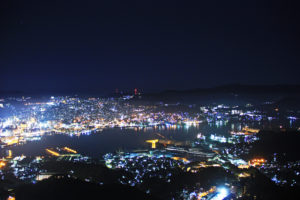 |
Mount Inasa is a 333-meter-high mountain located in close proximity to JR Nagasaki Station. The summit can be reached by ropeway, slope car, or car, and it offers great views over the city. The magnificent night views from Mount Inasa are also ranked among Japan’s three best night views. |
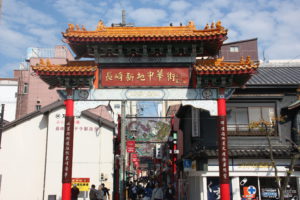 |
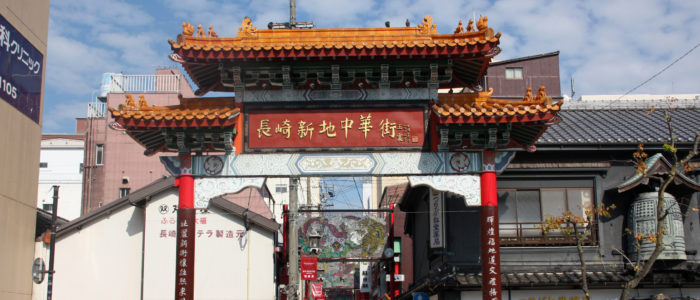
Located in the Shinchi district, Nagasaki Chinatown is one of the big three Chinatowns in Japan. Visitors can explore around 50 Chinese restaurants and a variety of shops offering unique Chinese sundries. |
Gunkan-jima island cruise / Hashima Coal Mine
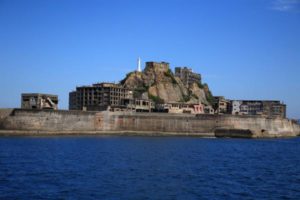 |
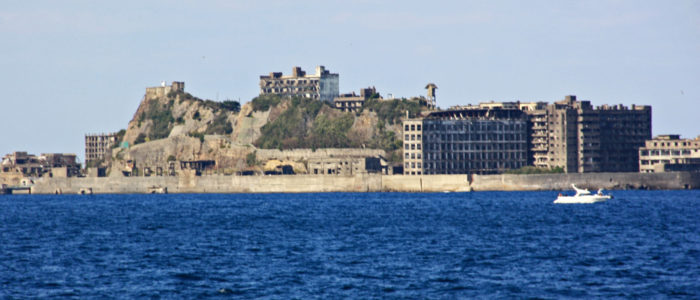
Hashima Island, commonly known as Gunkanjima (Battleship Island), is a reclaimed island that hosted Japan’s first large-scale undersea coal mine. Pioneered by Mitsubishi, it played a crucial role in the nation’s modernization. Today, it is recognized as a UNESCO World Heritage Site as part of the “Sites of Japan’s Meiji Industrial Revolution: Iron and Steel, Shipbuilding and Coal Mining. |
|
|
|
|
|
|
|
|
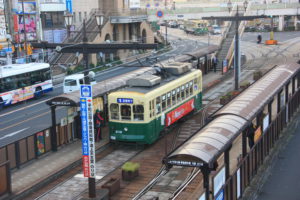 |
The Nagasaki Electric Tramway provides a convenient and affordable way to travel around the main attractions of Nagasaki City. |
Nagasaki-city