
Breathtaking vistas
Kyushu is defined by a dramatic landscape where rugged peaks and fertile plains coexist.
This fiery history has blessed the island with diverse natural wonders and therapeutic
Onsen to be enjoyed everywhere. Whether seeking the breathtaking vistas of massive
calderas or relaxing in mineral-rich springs, in Kyushu, you can truly feel the living energy
of the Earth.
The Art of the Bespoke Itinerary
We design personalized routes via private vehicle, seamlessly connecting your desired natural
destinations with Kyushu’s most breathtaking vistas. By integrating local gastronomy and
exclusive experiences, we craft a bespoke itinerary that is truly and uniquely yours
Kumamoto Prefecture, Aso
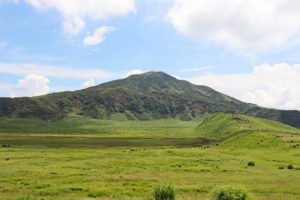 |
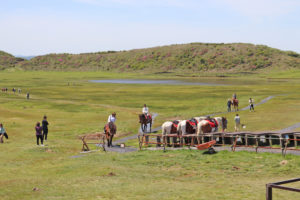
The beautiful prairie of 785,000 square meter in the crater. Spreads in northern part of Mt. Eboshi that is one of the Aso five Mountains. A big pond at its center and grazing horses round about make an idyllic scene. |
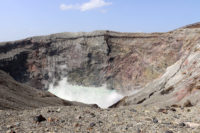 |
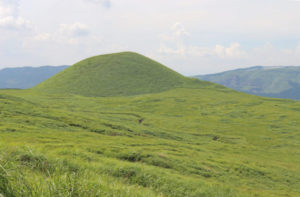
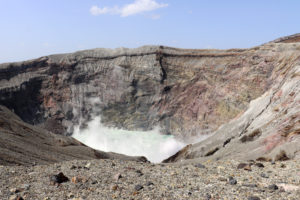
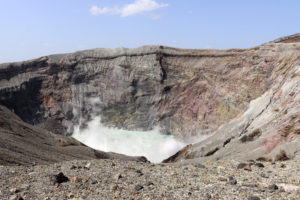
Mount Aso is consist of five consecutive mountain located in the Caldera where is 25 km across north to south and 18 km across east to west. The most exciting mountain is Mount Naka with an altitude os 1506m which is the largest active volcano in Japan. |
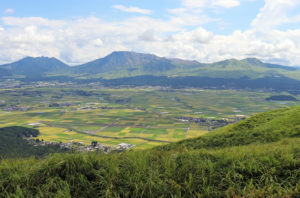 |
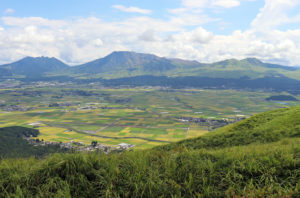
Daikanbo is located on the northern part of outer edge of the Aso Caldera. The perfect spot view the northern part of caldera and the Aso five mountains. The must visiting tourist spot in Aso, Daikanbo literally means a big observatory peak. |
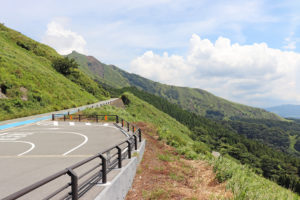 |
The Aso Panorama line is the Aso mountain roads that leads to the summit of Mount Five mountains. This Panorama line is connected from Minami-Aso to Aso Five mountains area. |
 |
The Aso Panorama line is the Aso mountain roads that leads to the summit of Mount Five mountains. This Panorama line is connected from Aso-city to Aso Five mountains. |
Oita Prefecture
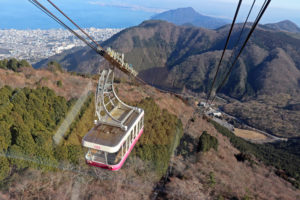 |
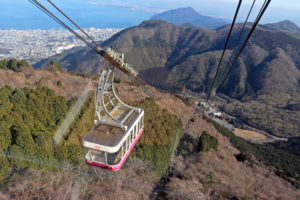
Soaring 1375 metres into the sky, Mount Tsurumi is a breath taking mountain overlooking Beppu that offers some decent hiking, rare flora and outstanding vistas. Visitors can take a ropeway 800 metres up and in being surrounded by acres of rolling greenery. |
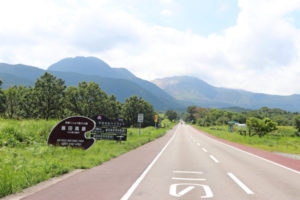 |
Yamanami Highway is the Prefectural road Route 11 and one of the most beautiful scenic driving roads in Kyushu. The road is connected Yufuin in Oita Prefecture and Minamioguni town in Aso, Kumamoto Prefecture, the distance is 50 km. |
Miyazaki Prefecture
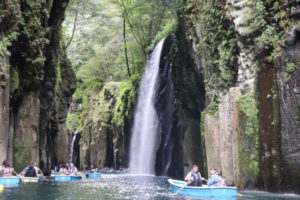 |
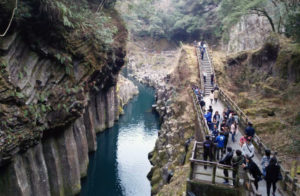
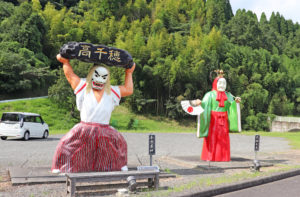
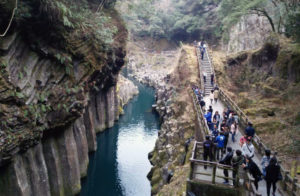
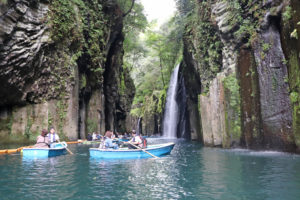
A narrow chasm carved through rock by the Gokase River. Its nearly sheer cliffs are made of slow-forming volcanic basalt columns, which resemble dragon scales where the stone twisted and flowed during its formation. |
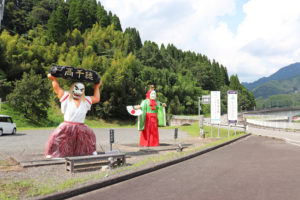 |
The route connecting Aso and Takachiho offers a breathtaking transition from volcanic landscapes to mystical deep gorges. |
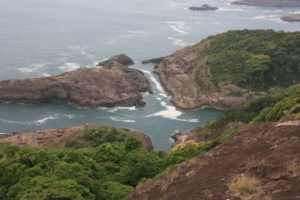 |
Your wishes come true here. The Cruz Sea is an area of ocean that appears to have a cross in it when viewed from an observatory. This cape is known as a ria coast; the “cross shape” was created by the narrow terrain here being eroded by rivers, resulting in a cross-shaped sea route. |
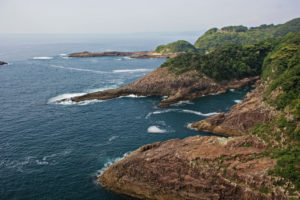 |
Exciting scenery created by raging wave of Hyuga Sea. The coastline here is a ria coastline, marked by intricate waterways sandwiched between cliffs. The cliffs here are 70m high and the waves’ splashing against them is an enchanting sight. |
Onsen (hot spring)
The Secret Behind the Paradise: Three Miraculous Conditions
The incredible diversity of onsen (hot spring) resorts in Kyushu is the result of three
miraculous conditions:
・Overwhelming Volcanic Energy:
With its 17 active volcanoes serving as heat sources, Kyushu offers a wide range of
resort styles tailored to its dramatic terrain—from Mt. Aso, featuring one of the world’s
largest calderas, to the unique coastal sand steam baths of Ibusuki.
・A “Treasure Trove” of Spring Types:
As groundwater dissolves complex minerals from deep rock layers, nearly every type
of hot spring found in Japan is concentrated here. Each location offers a unique character,
from skin-smoothing alkaline waters to fizzy carbonated springs.
・Abundant Rainfall and Flow:
Kyushu’s high rainfall provides a rich supply of groundwater, heated by volcanic energy
to support the highest discharge in Japan, most notably in Beppu.
Kyushu’s Premier Onsen Destinations
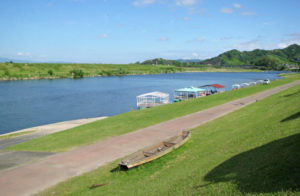 |
Harazuru : The “Double Beauty” Waters Located along the serene Chikugo River, this resort is famous for its “Double Beauty” springs, combining two different mineral types that leave your skin incredibly smooth. |
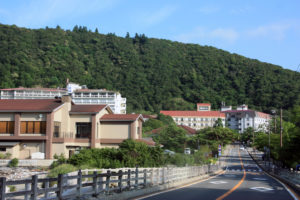 |
Unzen : A Volcanic Sanctuary in the Clouds Set in a high-altitude national park, Unzen offers dramatic “Hell” landscapes with hissing steam and a rich history as Japan’s first resort for international travelers.
|
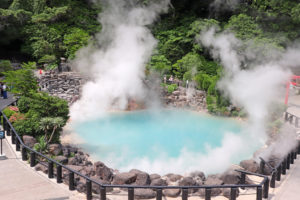 |
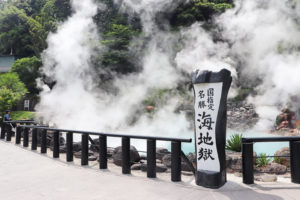
Beppu: The Onsen Capital of the World Boasting the highest discharge rate in Japan, Beppu is an energetic city where steam rises from every corner. Explore the colorful “Seven Hells” and experience incredible thermal variety.
|
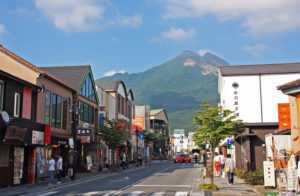 |
Yufuin : Sophisticated Serenity at the Foot of Mt. Yufu A refined resort town blending chic art galleries, stylish cafes, and high-end ryokans. It offers a tranquil escape with breathtaking mountain views.
|
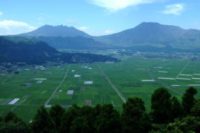 |
Aso : Rejuvenation Amidst Volcanic Grandeur Experience the healing power of the earth inside one of the world’s largest calderas. Aso’s springs are surrounded by vast grasslands and majestic volcanic peaks.
|
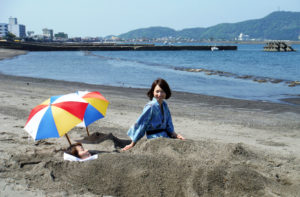 |
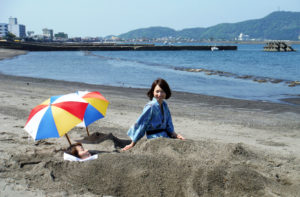
Ibusuki: The Unique Natural Sand Steam Bath Famous for its world-unique “Sunamushi” (Natural Sand Steam Bath) on the beach. Clad in a yukata and buried in geothermally heated sand, it’s the ultimate detox experience.
|
The Ultimate Onsen Retreat: Crafted Just for You
Beyond the blissful experience of soaking in hot springs and savoring local delicacies, an
onsen resort offers a wealth of activities—from strolling through culture-steeped towns to
immersing yourself in traditional experiences and scenic drives.
To ensure you make the most of it, we suggest the finest onsen resorts based on your
unique requests, crafting a one-of-a-kind private tour perfectly matched to your style.

Other ways to contact us:
For a quick discussion or preliminary questions, you are also welcome to reach out via:
・Email : info@japan-kyushu-tourist.com
・WhatsApp : +81-90-1349-2929 
・WhatsApp : +81-90-1349-2929
・Telephone : +81-93-521-8897
Japan KYUSHU Tourist Co., Ltd
3-8-1 Asano, Kokurakita-ku, Kitakyushu, Fukuoka 802-0001, Japan
Licensed Travel Agency: Fukuoka Prefecture Registration No. 3-688
Japanese Traditional Architecture
The Architectural Splendor of Japan
Japanese traditional architecture—from the towering majesty of castles to the serene
elegance of shrines and temples—is a testament to centuries of refined craftsmanship
and a deep respect for nature.
What makes these structures truly remarkable is the mastery of wood. Using an ancient
technique of interlocking joints, these grand buildings were often constructed without the
use of a single nail. This method provides not only incredible durability and earthquake
resistance but also a seamless, organic beauty that modern materials cannot replicate.
Whether it is the massive, curved stone walls of a castle designed for both defense and
aesthetics, or the sweeping eaves of a temple that mimic the mountains around it,
Japanese architecture is defined by harmony. It is not built to conquer the landscape,
but to breathe with it.
We invite you to experience this living history—where every pillar, garden, and roofline
tells a story of a culture that seeks beauty in balance and eternity in craftsmanship.
With countless breathtaking views to discover, it is the perfect destination to capture
unforgettable memories of your journey.
feature intricate wooden joints crafted entirely without the use of nails.
・Iconic Silhouettes: The striking combination of multi-layered roofs and white-plastered walls
is designed to resemble the graceful form of a bird in flight.
・Engineering Excellence: The massive, curved stone walls (Ishigaki) are masterfully
engineered to withstand earthquakes while serving as a powerful, artistic foundation.
・Natural Harmony: Each castle is designed to harmonize with its environment, featuring
moats and gardens that beautifully reflect the changing seasons.
Featured Castle in Kyushu
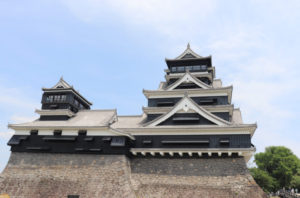 |
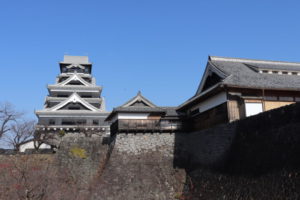
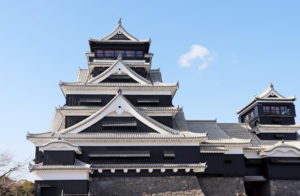
The castle is not only one of Japan’s three greatest castles. Although the 2016 earthquakes caused extensive damage and destroyed several historic structures, restoration work has been progressing at a remarkable pace ever since. It now stands as a powerful symbol of the region’s resilience and recovery. |
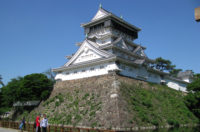 |
The Castle town was constructed in the Kokura and Kokura Castle was build in 1602 and spent 7 years construction at the north side of Kokura facing to Kanmon strait and next to Murasaki river. The height of Castle tower is 6th tallest in Japan after Himeji Castle. |
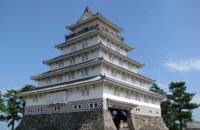 |
Located in Shimabara City, this castle was built in 1625 by the feudal lord Matsukura Shigemasa, who was renowned as a master of castle architecture. The castle, which took seven years to complete, is also affectionately known as “Moritake Castle. |
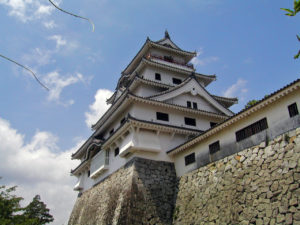 |
Karatsu Castle is called Dancing Crane Castle. The Castle, which stands beside Karatsu Bay, is unusual in that the stonework rises directly out of the water, using the ocean as a natural moat. |
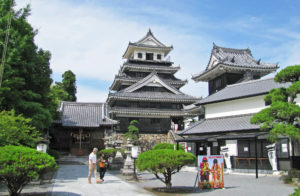 |
Originally built by the legendary strategist Kuroda Kanbei, Nakatsu Castle is famous for its unique seawater moat drawn directly from the Seto Inland Sea. Explore the stunning contrast of its stone walls, where old and new techniques meet, and climb to the top for a panoramic view of the city and the sea. |
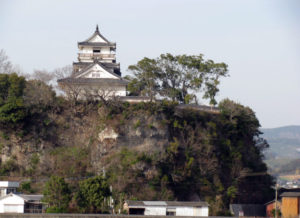 |
Kitsuki Castle is known as the smallest castle in Japan, perched on a plateau overlooking the Morie Bay. The view from the top offers a stunning panorama of the ocean and the surrounding valleys. |
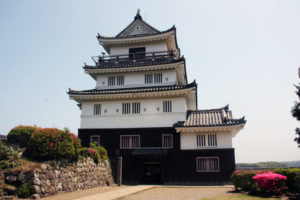 |
Stands on a hill guarding Hirado Port and the Hirado Strait, which used to be part of an important trade route between Japan and the Asian mainland. The original fortress was built in 1599 by the local Matsura Lord. |
About Kyushu
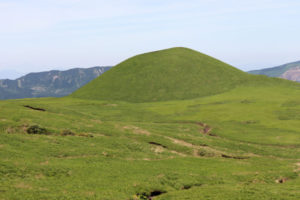
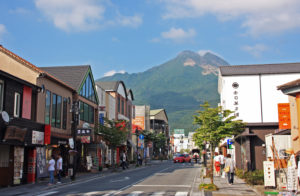
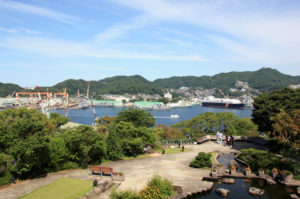
Kyushu was forged by intense volcanic activity in ancient times,
creating a landscape rich with diverse natural beauty and
geothermal wonders waiting to be discovered at every turn.
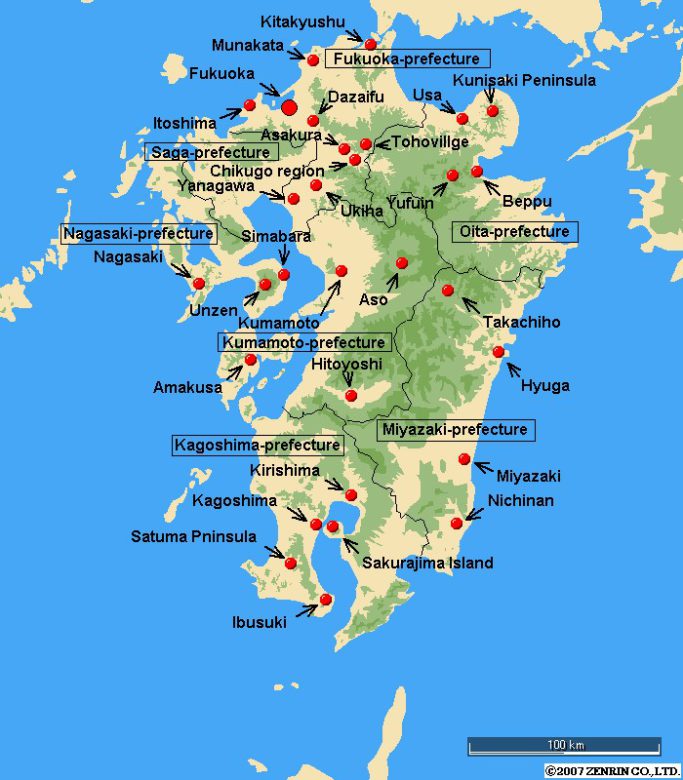
During the feudal era, the island was divided into nine distinct
domains, each cultivating its own heritage.
 |
 |
 |
Many regions flourished as international gateways to Asia and Europe, and as the
historic cradle of a singular Christian history unparalleled elsewhere in the world,
Kyushu preserves a spiritual legacy that resonates to this day.
Building on this profound history, Kyushu boasts a wealth of diverse destinations
and hidden gems that continue to satisfy and inspire travelers from all over the world.
Ready to see the “Real Japan”?
Contact us today to receive your free travel ideas
Or reach us directly via
・Email : info@japan-kyushu-tourist.com
・WhatsApp : +81-90-1349-2929
・Telephone : +81-93-521-8897
Japan KYUSHU Tourist Co., Ltd.
3-8-1 Asano, Kokurakita-ku, Kitakyushu, Fukuoka 802-0001, Japan
Licensed Travel Agency: Fukuoka Prefecture Registration No. 3-688
Chartered bus
Find Your Perfect Transportation by Group Size
・For Small Groups (Up to 8 guests, depending on luggage):
Private vehicle with an English-speaking driver who guides you at
each attraction.
(Chinese-speaking drivers are also available upon request.),
・For Large Groups (More than 8 guests, ideal for heavy luggage & golf bags):
Chartered bus with a Government-Licensed Tour Guides (English/Chinese)
arranged separately.
Chartered Bus & Tour Guides for Large Groups
Government-Licensed Tour Guides are provided, as our bus drivers speak
only Japanese.
Government-Licensed Tour Guides
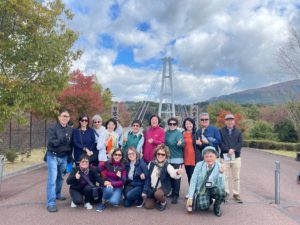 |
We provide more than just a guide; we offer a personal travel concierge dedicated 100% to ensuring a seamless, comfortable, and deeply enriching journey for you. |
|
・Language Support: Fluent in English as standard. (Chinese-speaking tour guides are also available upon request.) ・Full Coordination: Managing everything from hotel/restaurant check-ins to local guiding at each attraction. |
|
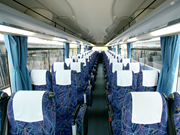
Chartered Bus (More than 8 guests, ideal for heavy luggage & golf bags)
・Small-sized Bus: Up to 25 seats
・Medium-sized Bus: Up to 30 seats
・Large-sized Bus: Up to 45–49 seats
 |
 |
Industrial Heritage
 |
 |
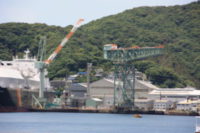 |
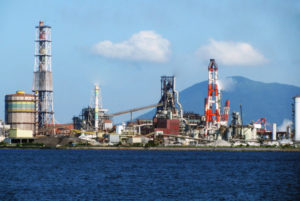
Centering on the three core pillars of Iron and Steel, Shipbuilding, and Coal Mining,
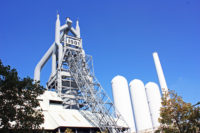 |
Blast Furnace is a Steel plant for making the pig iron from iron ore and coke. Higashida No.1 Blast Furnace is only the Blast Furnace in the world which preserved as it was. The birth place where Japan’s steel industry began in 1901. |
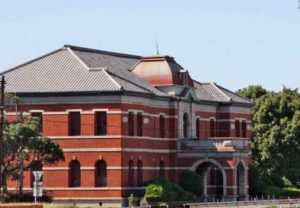 |
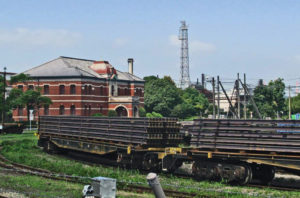
First Head Office of the Steel Works The the building for the Head office of the Imperial Steel Works was constructed in 1899, two years before commencement of Japan’s Steel Industry. The design of the building is a harmony of Europea and Japanese architectural styles. |
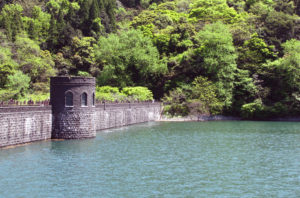 |
The first-class civil construction heritage completed in 1927, The Kawachi Reservoir was constructed for the industrial water supply to Yawata Steel Works. The dam was constructed at the Okura River and upper stream of the dam was expanded and making the 7milion cubic metre reservoir |
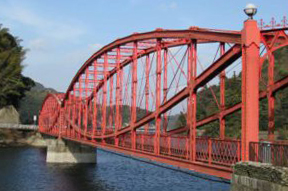 |
The only remaining lenticular truss bridge in Japan ( lens type truss
bridge), located at the south side of Kawachi Reservoir and it was
designed by Hisanori Numata. This shape and color really
harmonize with nature and become a symbol of the Iron town Yahata.
|
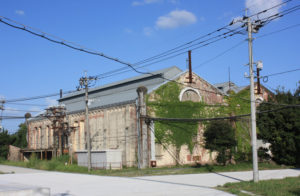 |
Onga River Pump Station / UNESCO World Heritage Built in 1910 on the east bank of the Onga River. It served, and still serves, to deliver industrial water to Yawata via an 11.4 km pipeline. The site has been registered on the UNESCO World Heritage, |
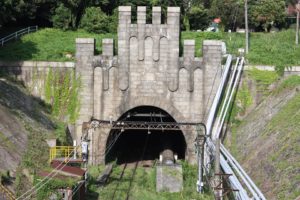 |
Dedicated Railway for Yawata Steel Works. The railway connected between Yawata and Tobata, completed in 1930. The most difficult and hard work was making Miyatayama tunnel with a total length of 1180 m due to suffering from floods. The gates of the Miyatayama tunnel are decorated with stately designs. |
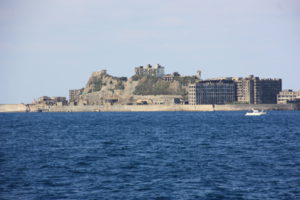 |
Hashima is a ruins called “Gunkanjima”, so called after its resemblance to the silhouette. Hashima Island is located 3 km southwest of Takashima, and it was the success of Takashima that led Mitsubishi to purchase this island, both islands giving access to the same undersea coal deposit. |
Other ways to contact us:
For a quick discussion or preliminary questions, you are also welcome to reach out via:
・Email : info@japan-kyushu-tourist.com
・WhatsApp : +81-90-1349-2929
・Telephone : +81-93-521-8897
Japan KYUSHU Tourist Co., Ltd
3-8-1 Asano, Kokurakita-ku, Kitakyushu, Fukuoka 802-0001, Japan
Licensed Travel Agency: Fukuoka Prefecture Registration No. 3-688
Churches and Cathedrals
Nagasaki Port was opened and the first Portuguese ship arrived in 1571. And development
of the town of cape was started as Christian town in 1571 and many Churches were
constructed in Nagasaki.
However, due to the Tokugawa Shogunate’s Ban on Christianity in 1614, most of the
church buildings were destroyed.
Since ban on the Christianity was lifted in 1873, new Christian history in Japan has begun
and many Churches and Cathedrals have been constructed.
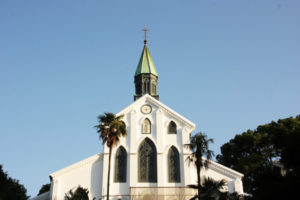 |
The Cathedral is one of the significant Christian Pilgrimage site in Japan. Established 1865, this church is officially known as “Oura Cathedral, the Church of 26 Martyrs.” It was built by the French priest Bernard Petitjean of Fier who had been dispatched by the Foreign Missionary Church of Paris to dedicate prayers to the 26 saints martyred on Nishizaka hill. |
Urakami Cathedral, in Nagasaki
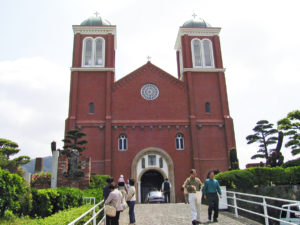 |
Construction of the original Urakami Cathedral, a brick Romanesque building, began in 1895, after a long-standing ban on Christianity was lifted. When completed in 1914, it was the largest Catholic church in East Asia. |
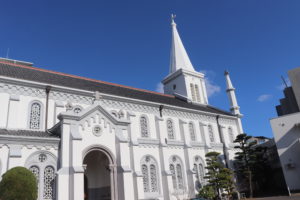 |
The church is located near JR Nagasaki Station which was constructed for Japanese Christians in 1986. The church was dedicated to the 16 Saints of Nagasaki (St. Thomas and the 15 Martyrs) in 1988, and the monument honoring them was erected in the premise. The 16 Saints were martyred in Nagasaki from 1633 to 1637. |
Saint Filippo de Jesus Church ( Japan 26 Saints Memorial Church )
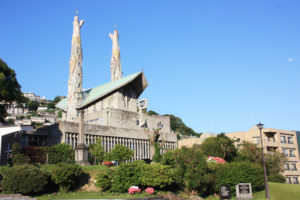 |
This is a church with Gaudi-style twin tower designed by Kenjiro Imai, built next to the Nishizaka Martyrdom site. When there was a plan to build a memorial hall for the 26 Japanese Saints next to Nishizaka Martyrdon site, a large donation was made from Mexico, and the Church was built in 1962. |
Hongochi Church, Saint Kolbe Museum, in Nagasaki
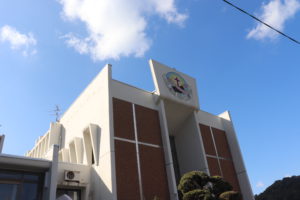 |
Father Maximilian Kolbe was born in Poland in 1894 and was a priest of the Conventual Order of St. Francis. He had been active in promoting the veneration of the Immaculate Virgin Mary. He came to Japan in 1930 and began educating seminarians and publishing a monthly magazine ” the veneration of the Immaculate Virgin Mary.” |
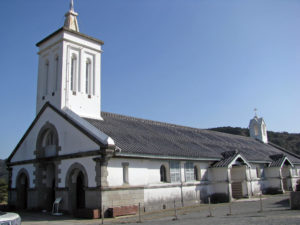 |
Built in 1882 by Father de Rotz, this low-ceiling church features a brick exterior, wood interior and stone entranceway. The roof itself is low in order to limit damage done by strong winds. The church’s bell was brought here from France by a priest and rings out beautifully every morning. The location is famous as the place where the movie “Gege” was filmed. |
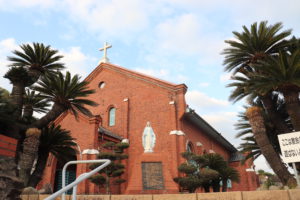 |
The Church is located in Kurosaki district, where was place of the setting for Endo Shusaku’s novel Silence. In 1897, the foundations were laid down according to Father de Rotz’s design. Construction followed and in 1920 the church was completed. |
Christian sacred sites
Christianity in Japan was spread in Nagasaki region. However, unparalleled hidden Cristian history
was started from when Toyotomi Hideyoshi Shogunate proclaimed Christian ban in 1587. During ban
on Christianity, people secretly continued to faith while surviving in the midst of the conventional
society and Japanese religions. And many Christians were also martyred during this period.
Here we introduce the history of the ban on Christianity, including the places of martyrdom and
museums.
Martyrdom of the 26 Saints of Japan, in Nagasaki
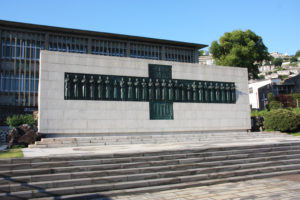 |
The 26 Martyrs of Japan were a group of Catholics who were executed by crucifixion on February 5, 1597. The Twenty-six Christians, were arrested in Kyoto and Osaka on the order of Toyotomi Hideyoshi, the National ruler, for preaching Christianity. They were marched 800 km through the snow to Nagasaki and crucified in front of large crowd on Nishizaka hill on Feb. 5, 1597. |
The 26 Martyrs Museum in Nagasaki
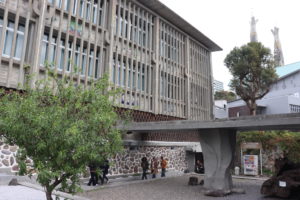 |
The museum behind the monument is devoted to the memory of the martyrs and to Christianity in Japan in general. Its interior is reminiscent of a church with stained-glass windows, making for atmospheric viewing of the exhibits. On display are artifacts related to Christianity in Japan, including old documents, statues and jewelry. |
St. Andrew’s Seminary at Dejima, in Nagasaki
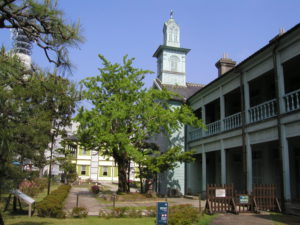 |
After the ban on Christianity lifted in 1873, Burnside who was the British Church Missionary created a cram school at his home to teach the English Bible. In 1877, the school was moved to the Dejima English-Japanese School building at Dejima, and St. Andrew’s Seminary was opened. It was then used as the Seminary until 1886. |
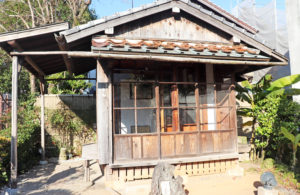 |
Dr. Nagai Takashi (3 February 1908 – 1 May 1951) was a Catholic physician specializing in radiology, an author, and a survivor of the atomic bombing of Nagasaki. His subsequent life of prayer and service earned him the affectionate title “saint of Urakami”. Nyokodo, which is adjacent to the Nagai Takashi Memorial Hall, is Dr. Takashi Nagai’s hospital room and study. This 2-tatami building was built as a new home for the doctor, with the generosity of the people of Urakami and fellow Catholics who were left penniless by the atomic bombing. |
Unzen jigoku Martyrdom, in Unzen
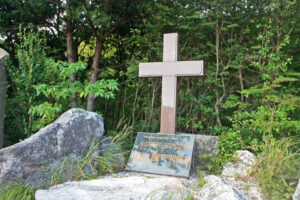 |
When Matsukura Shigemasa became the new federal lord of Shimabara in 1616, many people were Christians. Initially, he acquiesced in Christianity, because he needed people’s cooperation to build Shimabara Castle. However, this situation was known to Tokugawa Shogunate, and he strongly commanded Christians in Shimabara to convert. |
Hara Castle ruin, in Minami-Shimabara
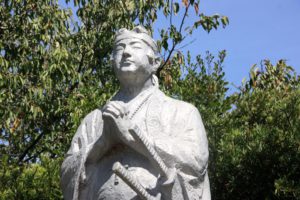 |
The Christian pilgrimage site, registered on UNESCO’s World Heritage Site as Hidden Christian Sites in the Nagasaki Region. The site is located in Minami-arima in Minami-Shimabara City and the Battle field of Shimabara Rebellion which was a peasant uprising against bakufu’s persecution of Christians under the leadership of Amakusa Shiro in 1637. |
Hory Mary-Kannon of Hara Castle, in Minami-Shimabara
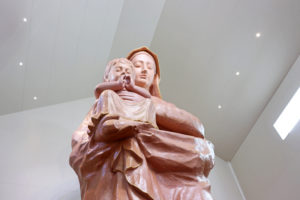 |
The world’s tallest wooden Holy Mary statue, with 10 meters in height. This statue was made by sculptor Oyamatsu Eiji over a period of 40 years and was completed when he was 90 years old. The statue is located in Minami-Shimabara City, 10 minutes drive from |
Arima Christian Heritage Memorial Museum, in Minami-Shimabara
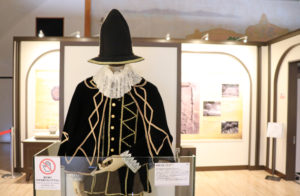 |
The museum is a guidance facility showcasing the history of Christianity in Minami-Shimabara City, centered around the Hara Castle Ruins, a component of the “Hidden Christian Sites in the Nagasaki Region,” which was registered as a World Heritage Site in 2018. |
9-Day: Ultimate Kyushu ー The Grand Tour
Price: From JPY 197,000 per person (Min. 6 guests)
Traveling route
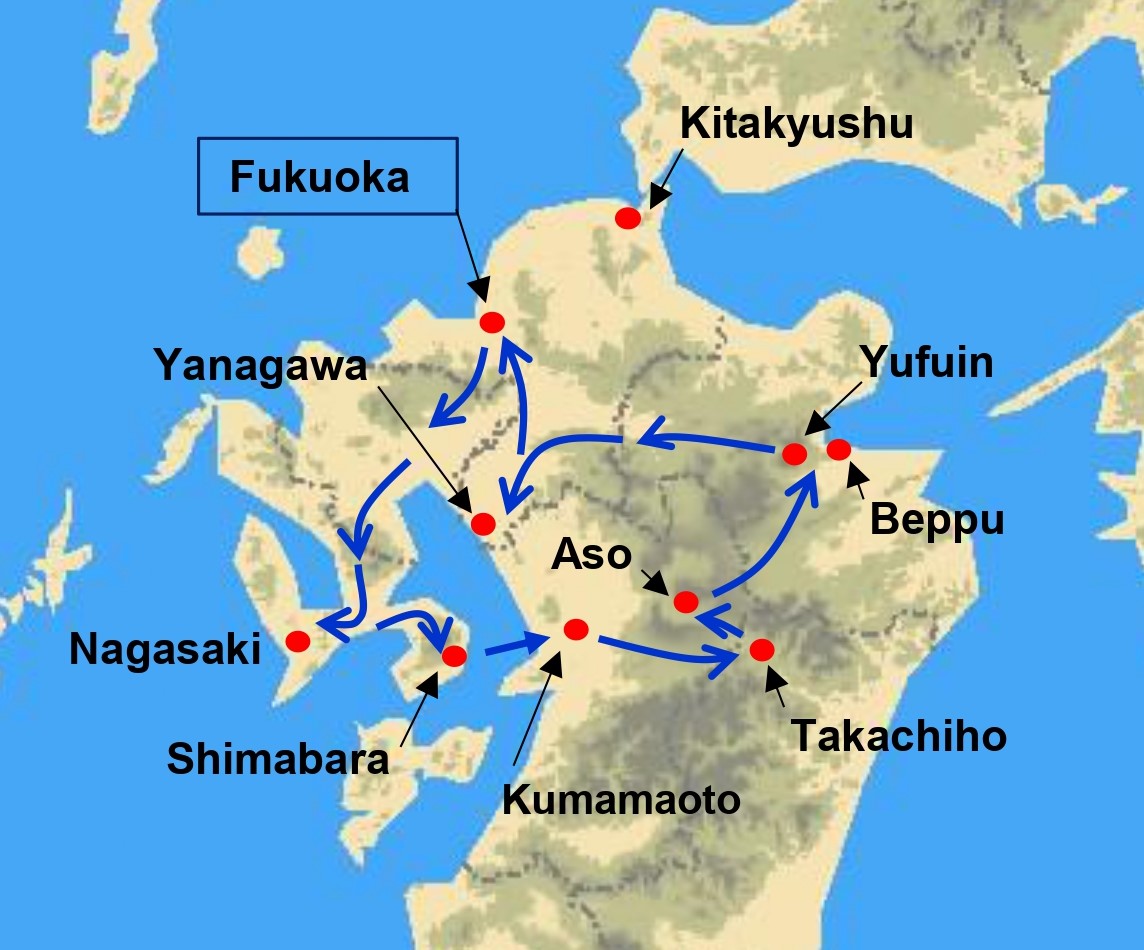
| Destinations to Explore | Stay |
|
Day 1 : Depart from Fukuoka → Nagasaki Day 2 : Nagasaki Day 3 : Kumamoto Day 4 : Takachiho Day 5 : Aso Day 6 : Yufuin Day 7 : Beppu Day 8 : Yanagawa Day 9 : Fukuoka |
|
Welcome to Fukuoka, you will be greeted by our representative.
=== Drive to Nagasaki via the expressway ===
Exploring Nagasaki
A historic gateway to Japan and a city of global peace.
・Mount Inasa:Take the Slope Car to the summit
・Lunch at a restaurant in Dejima Wharf
Dinner on your own in Nagasaki
Stay in Nagasaki
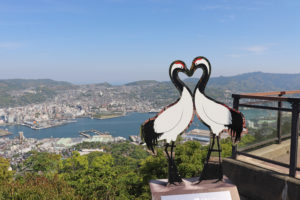 |
 |
 |
|
Breakfast at the hotel Exploring Nagasaki Visiting the Atomic Bombing site to offer prayers for world peace ・Peace Park ; Peace Statue, Peace Fountain Lunch at a restaurant in China town Discover the roots of Japan’s international history. Dinner on your own in Nagasaki Stay in Nagasaki |
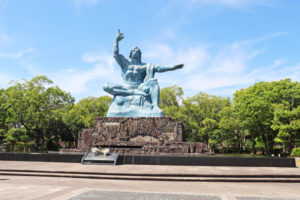 |
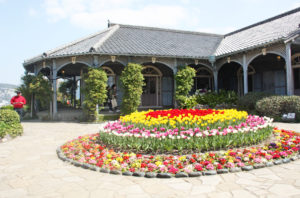 |
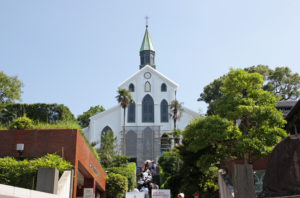 |
Day 3 Kumamoto
After breakfast, check out of the hotel in Nagasaki
=== Drive to Shimabara port ===
Shimabara port to Kumamoto port by a ferry : 60minutes or by a Ocean
Arrow :30minutes,
Drive to Kumamoto ===
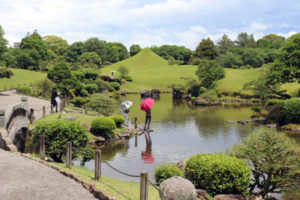
Exploring Kumamoto
A captivating experience where history and nature live in harmony
・Sakurano-baba Josaien including lunch
Dinner on your own in Kumamoto
Stay in Kumamoto
 |
 |
 |
Day 4 Takachiho
After breakfast, check out of the hotel in Kumamoto
=== Drive to Takachiho ===
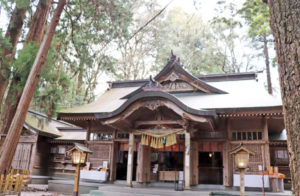
Exploring Takachiho
Step into the mystical realm of Japanese mythology and breathtaking nature
・Lunch at a local restaurant in Takachiho
=== Drive to Aso via the Aso Takachiho road ===
Dinner at your hotel
Stay in Aso onsen
 |
 |
 |
Day 5 Aso
Breakfast at the hotel
Exploring Aso
Expansive volcanic landscape offers an unforgettable experience found
nowhere else on earth.
・Lunch at a local restaurant in Aso
Drive to the Five Peaks of Mt. Aso via the Aso North Panorama line
・Visit Kusasenri-ga-hama
Drive down to the South Aso area via the Aso South Panorama line
Dinner at your hotel
Stay in Aso onsen
 |
 |
 |
Day 6 Yufuin
After breakfast, check out of the hotel in Aso
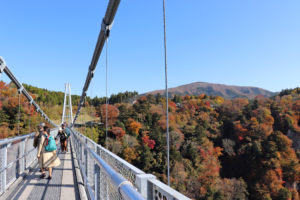
=== Enjoy a scenic drive along the Yamanami Highway to Kokonoe ===
Exploring Kokonoe Yume Otsurihashi
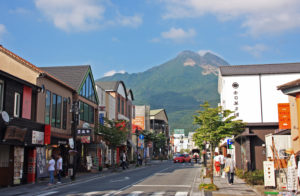
Drive to Yufuin
Exploring Yufuin
A picturesque retreat town where nature meets artistic elegance at the
base of Mt. Yufu.
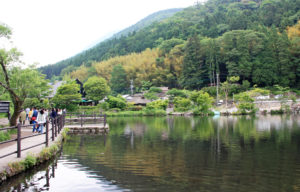
・Lunch at a local restaurant in Yufuin
recommended sites : Kinrinko lake and Floral Village
=== Drive to Beppu via Beppu Yufuin road, 40 minutes ===
Dinner at your hotel
Stay in Beppu onsen
 |
 |
 |
Day 7 Beppu
Breakfast at the hotel
Exploring Beppu
A steamy onsen paradise nestled between the sea and mountains
・Go up to Mount Tsurumi by the Ropeway
Enjoy a breathtaking panoramic view of the onsen town and Beppu Bay from
the mountain top
・Lunch at a local restaurant in Beppu
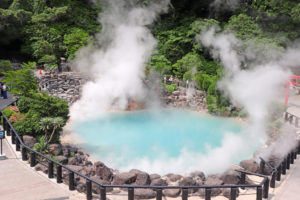
・Beppu Hell tour experience
Recommended sites : Umi-Jigoku , Oniishi Bozu-Jigoku and Chinoeke-Jigoku
Dinner at your hotel
Stay in Beppu onsen
 |
 |
 |
Day 8 Yanagawa
After breakfast, check out of the hotel in Beppu
=== Drive to Yanagawa via the expressway ===
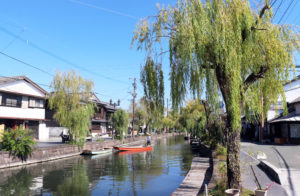
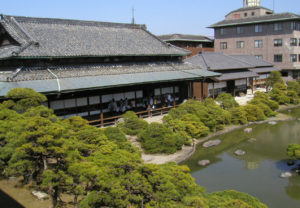
Exploring Yanagawa
The Water Capital of Kyushu. Slow down and drift through history.
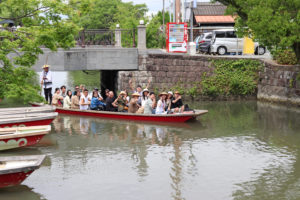
・Recommended experience : Canal boat cruise
・Regional Delicacies : Seiro-mushi (Steamed Eel)
=== Drive to Fukuoka via the expressway ===
Dinner on your own in Fukuoka
Stay in Fukuoka
 |
 |
 |
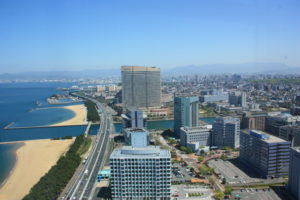
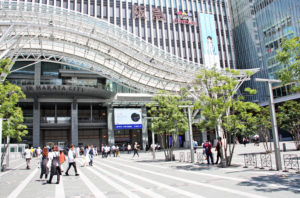
Day 9 Fukuoka
|
Breakfast at the hotel Exploring Fukuoka on Your Own Dinner on your own in Fukuoka Stay in Fukuoka |
 |
 |
 |
8-Day: Across Kyushu ー North to South Journey
Price: From JPY 175,000 per person (Min. 6 guests)
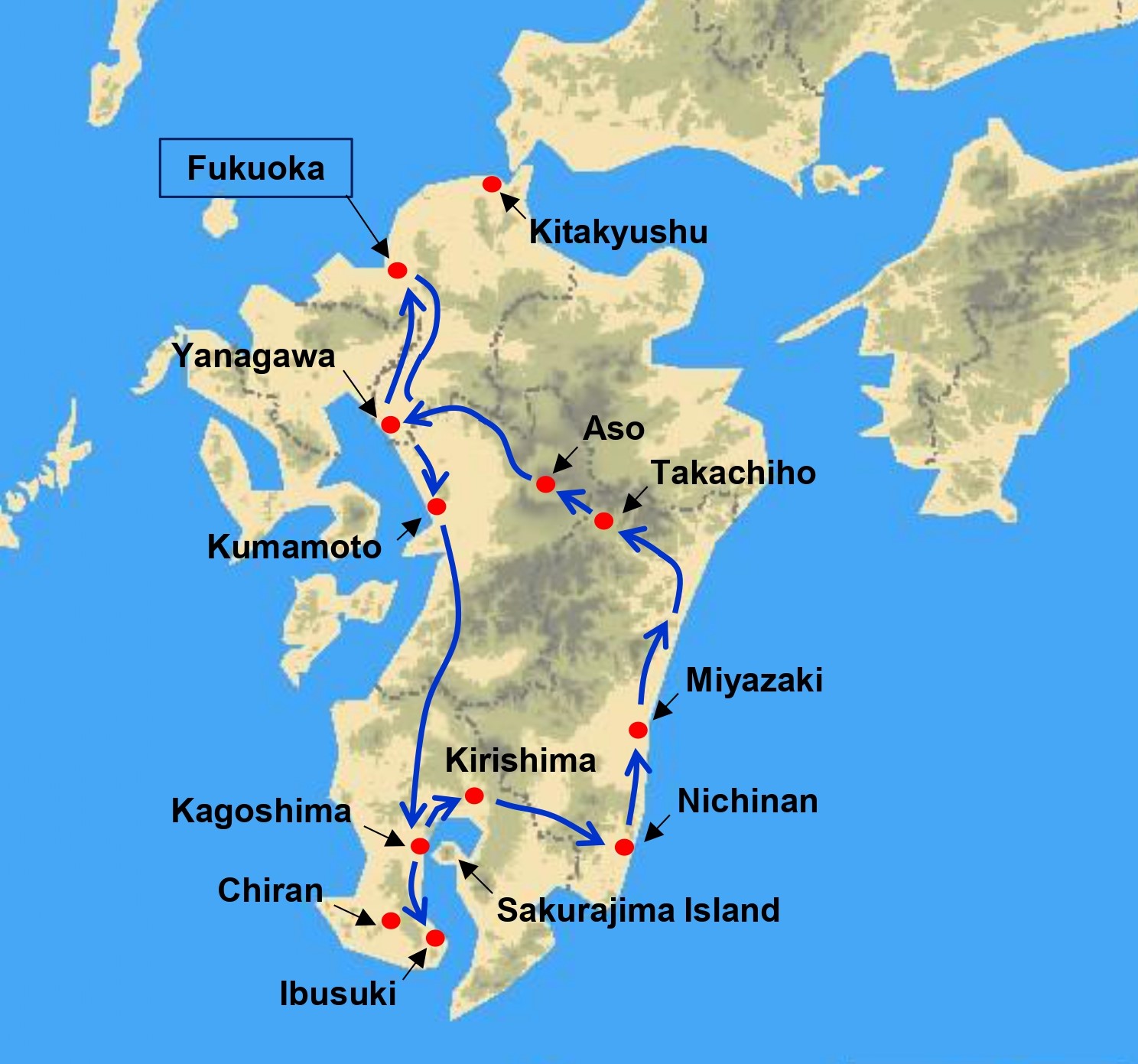
Traveling route
| Destinations to Explore | Stay |
|
Day 1 : Depart from Fukuoka → Kumamoto Day 2 : Satuma peninsla Day 3 : Kagoshima and Sakura-jima Island Day 4 : Nichinan and Miyazaki Day 5 : Takachiho Day 6 : Aso Day 7 : Yanagawa Day 8 : Fukuoka |
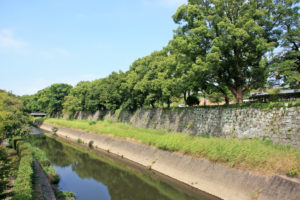
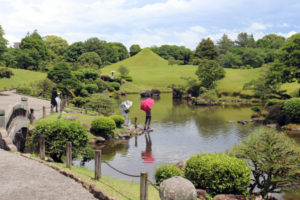
Day 1 Kumamoto
 |
 |
 |
Welcome to Fukuoka, you will be greeted by our representative.
=== Drive to Kumamoto via the expressway ===
Exploring Kumamoto
A captivating experience where history and nature live in harmony.
・Sakurano-baba Josaien including lunch
Dinner on your own in Kumamoto
Stay in Kumamoto
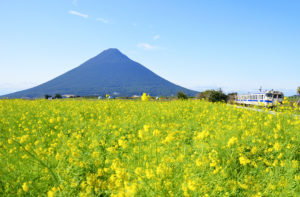
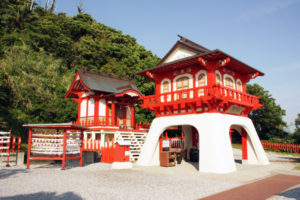
Day 2 Ibusuki & Satsuma Peninsula
 |
 |
 |
After breakfast, check out of the hote in Kumamoto
=== Drive to Kagoshima Prefecture via the expressway ===
Exploring Satsuma peninsula
Experience the dynamic energy of Kyushu’s southern tip
Drive to Ibusuki ; Onsen resort represented Kyushu.
・Ibusuki steaming sand baths along Kinko Bay Beach
Dinner at your hotel
Stay in Ibusuki onsen
Day 3 Kagoshima
 |
 |
 |
After breakfast, check out of the hotel in Ibusuki
=== Drive to Kagoshima ===
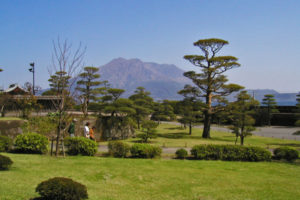
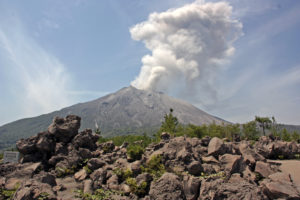
Exploing Kagoshima and Sakura-jima Island
Overlooking active volcano Sakurajima, Kagoshima is a vibrant port city
where nature and history breathe together
・Lunch at a restaurant in Sengan-en
Transfer to Sakura-jim Island by Sakura-jima Ferry
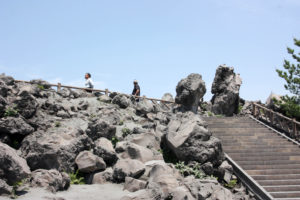
Recommended sites : Akamizu Observatory, Yunohira Observatory and
Arimura Lava Observatory
Transfer to Kagoshima by Sakura-jima Ferry
Dinner on your own in Kagoshima
Stay in Kagoshima
Day 4 Nichinan & Miyazaki
 |
 |
 |
After breakfast, check out of the hote in Kagoshima ;
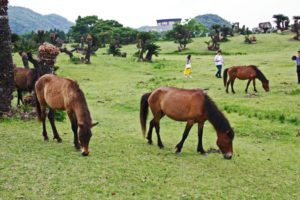
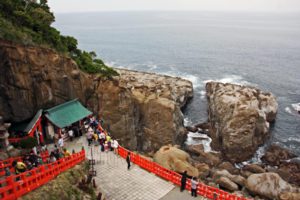
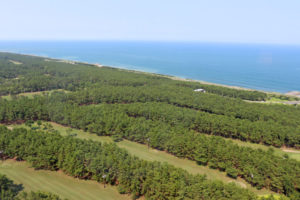
=== Drive to Nichinan coast ===
Exploring Nicihnan and Miyazaki
Japan’s Sunny Tropical Escape ; Experience the spirit of the “Sun State” along
the breathtaking Nichinan Coast
Drive to Phoenix Seagaia Resort
Dinner on your own at Phoenix Seagaia Resort
Stay in Phoenix Seagaia Resort
Day 5 Takachiho
 |
 |
 |
After breakfast, check out of the hote in Phoenix Seagaia Resort
=== Drive to Takachiho via the expressway ===
Exploring Takachiho
Step into the mystical realm of Japanese mythology and breathtaking nature
・Lunch at a local restaurant in Takachiho
=== Drive to Aso using the Aso Takachiho road ===
Dinner at your hotel
Stay in Aso onsen
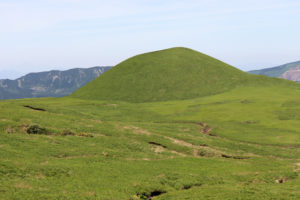
Day 6 Aso
 |
 |
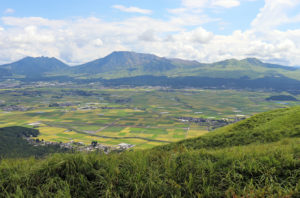 |
Breakfast at the hotel
Exploring the vast volcanic region of Aso
・Lunch at a local restaurant in Aso
Drive to the Five Peaks of Mt. Aso via the Aso North Panorama line
・Visit Kusasenri-ga-hama
Drive down to South Aso area via the Aso South Panorama line
Dinner at your hotel
Stay in Aso onsen
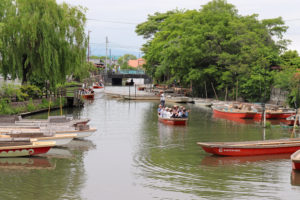
Day 7 Yanagawa
|
 |
|
After breakfast, check out of the hotel in Aso
=== Drive to Yanagasa via the expressway ===
Exploring Yanagawa
The Water Capital of Kyushu. Slow down and drift through history.
・Recommended experience : Canal boat cruise
・Regional Delicacies : Seiro-mushi (Steamed Eel)
=== Drive to Fukuoka via the expressway ===
Dinner on your own at the restaurant in Fukuoka
Stay in Fukuoka
Day 8 Fukuoka
|
|
|
Breakfast at the hotel
Explore Fukuoka on Your Own
Dinner on your own in Fukuoka
Stay in Fukuoka
 WhatsApp: Chat with us